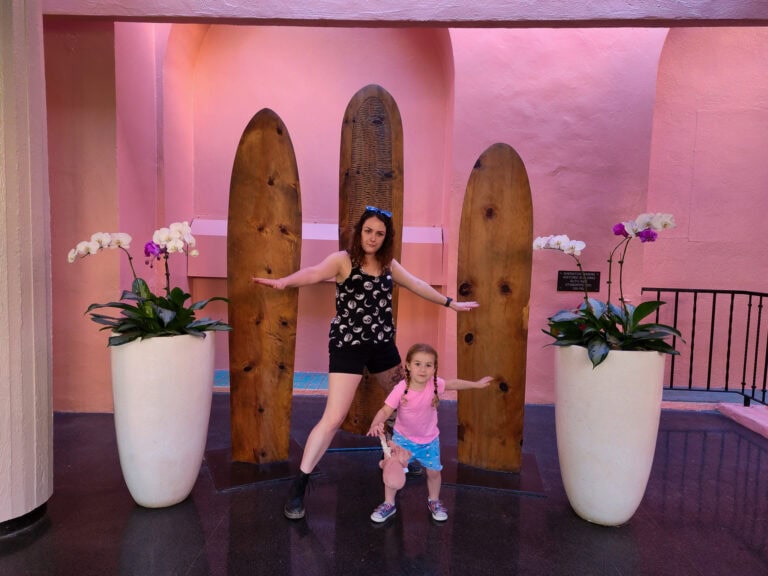

12 Oahu Beaches I’d Actually Go Back To (And Why)

The first time I touched sand in Oahu, I was jet-lagged, exhausted, and trying to squeeze in one quick beach evening before the rest of my trip became a no-sand zone. I was there for a leg sleeve tattoo, and anyone who’s ever had fresh ink knows beaches are a bad idea after day one.
So I picked Waikiki, fully expecting it to feel like Florida with prettier water. It didn’t. Oahu beaches have crystal clear water, soft sand, and it actually smelled like the ocean without that swampy edge. That one hour totally changed my expectations.
The second trip? Whole different vibe. I brought my husband and daughter, stayed in Kapolei, and basically turned every beach day into a choose-your-own-adventure.
From the calm lagoons at Ko Olina to roadside pull-offs on the North Shore where we saw a monk seal just… existing. We swam, we snorkeled, we hung out. Some beaches were all play. Some were just sit-and-breathe kind of places.
What shocked me most was the range. Wild coastlines, protected lagoons, beaches with paved ramps and shaded seating, others where you’re climbing over rocks to get a glimpse.
If you’re wondering which of these Oahu beaches is right for you, I’ve got you. This post breaks them down by type so you’re not wasting time (or energy) on beaches that don’t match your body or your mood.
How to Choose the Best Beaches in Oahu
Not all Oahu beaches are created equal. Some are calm and perfect for floating. Some are great for watching monster waves from a safe distance. Some have gentle, paved paths and shaded spots to sit.
Others require stamina, patience, and your full energy budget just to get there. I’ve done both ends of the spectrum — solo and post-tattoo, and with my kid in tow while managing pain and energy limits. Picking the best beaches in Oahu for the right kind of day matters.
Here’s how I decide where to go based on how I feel and what kind of chaos I’m trying to avoid:
- Want calm water? Go to Ko Olina. It’s easy, consistent, and perfect for low-energy days, little kids, or when your brain needs quiet.
- Need that postcard turquoise? Lanikai nails it. But get there early or bring parking patience.
- Looking for space and bathrooms? Kailua gives you both.
- Want a beach that’s actually quiet? Waimanalo is your spot. Long, local, and usually peaceful.
- Love watching waves you’d never swim in? Waimea Bay or Sunset Beach will deliver.
- Hoping to see wildlife? Secret Beach near Ko Olina is where we spotted monk seals. North Shore pull-offs often have turtles too.
- Low energy but still want sand time? Waikiki is more accessible and chill than most people expect.
Also, don’t just think about the beach itself. Think bathrooms, shade, food nearby, and whether you can get out fast if you need to. Some beaches look great in photos but suck if your body’s already at 50 percent.
That’s why this post breaks everything down by parking, cost, terrain, accessibility, and the kind of day each beach is actually best for.
Like the post? Save it for later!
Disclosure: Phoenyx Travels contains affiliate links and Phoenyx Travels is a member of the Amazon Services LLC Associates Program. Meaning Phoenyx Travels receives commissions for purchases made through those links, at no cost to you. Please understand that we have experience with all of these companies, and recommend them because they are helpful and useful, not because of the small commissions we make if you decide to buy something. See our Affiliates and Disclaimers Policy and Privacy Policy for more info.

1. Waikiki Beach
Waikiki Beach is better than people expect, even if it’s rarely quiet. I went multiple times across two trips, and it was crowded every single time except at sunrise.
That early morning window is when Waikiki actually works. The water is clear, the sand is firmer and slightly darker than the powdery sand I’m used to in Clearwater, Florida, and the conditions feel more predictable before the day gets loud and packed.
This is one of the easiest and accessible Oahu beaches for a low-energy beach day. The shoreline is long and flat, the water entry is gradual, and there are multiple access points instead of a single choke point.
You trade calm and quiet for convenience, but if your priority is accessibility, facilities, and having an exit plan, Waikiki delivers.
Location
Waikiki Beach runs along Kalākaua Avenue in Honolulu, directly in front of major hotels and public beach parks.
Parking
- Limited street parking along Kalākaua Avenue and side streets
- Paid public garages nearby
- Many visitors access the beach on foot from nearby hotels
Cost
Free. Waikiki Beach is a public beach.
Accessibility
Waikiki is one of the most accessible beaches on Oahu, especially compared to North Shore and Windward beaches. Beach access points have paved walkways or beach mats that make reaching the sand easier than most beaches on the island.
According to the City and County of Honolulu Department of Parks and Recreation, beach wheelchairs are provided free of charge through their Therapeutic Recreation Services program and must be reserved in advance by calling (808) 768-8980 at least one day in advance. Availability can vary, so calling ahead is important.
Beach access points include:
- Queen’s Beach near Waikiki Aquarium
- Kuhio Beach Park
- Beach mat in front of Waikiki Shell and Duke Kahanamoku statue area
- All-Terrain wheelchairs available at Kuhio Beach, near the Duke Kahanamoku Statue
- Fort DeRussy Beach Park
- Beach wheelchairs may be rented at Koa Beach Service and Waikiki Shore Beach Service.
- Gray’s Beach area near Halekulani
- Ala Moana
- Beach access mats are at both Diamond Head (east) and Ewa (west) ends of the beach in front of the concession stands.
- All-Terrain Wheelchairs are located at the Diamond Head (east) and Ewa Beach (west) Food Concessionaires.
Other accessibility notes:
- Gradual water entry makes Waikiki beginner-friendly
- Accessible restrooms are available near Kuhio Beach Park and Queen’s Beach
- Crowds increase significantly late morning through evening, which can make navigation harder during peak hours

2. Ko Olina Lagoons (Kapolei)
Ko Olina was hands down our favorite beach experience on Oahu. This is where everything finally clicked for me.
Calm water, predictable access, and zero pressure to “do” anything made this one of the best beaches in Oahu for families. We spent long stretches here swimming, snorkeling, and just being in the water without constantly watching conditions or crowds.
It felt easy on my body and easy on my brain, which is not something I say lightly about beaches.
The lagoons on the east side of Oahu are man-made and protected by rock wave breakers, which block open-ocean swells and keep the water consistently calm. That design is what makes such a big difference here.
I could get in without fighting waves, float without stress, and snorkel without burning through my energy budget. With a kid in tow, it was also one of the few places where I didn’t feel like I had to be on high alert the entire time.
If you want wild coastline and crashing waves, this is not that. If you want a beach that works reliably, especially with mobility needs, kids, or sensory limits, Ko Olina is hard to beat.
Location
Ko Olina Lagoons are located on Oahu’s leeward coast in Kapolei, about a 45 to 60 minute drive from Waikiki depending on traffic.
Parking
- Free public parking lots are available at each lagoon, but spaces are limited
- Parking fills quickly on weekends and holidays
- Lagoon 4 has the largest public parking area and is usually the easiest place to start
- If lots are full, paid parking is available at nearby Ko Olina shopping areas, followed by a longer walk in
Cost
Free. Ko Olina Lagoons are public beaches.
Accessibility
- No beach access mats listed
- No beach wheelchairs listed
- Wide paved walkways connect all four lagoons, which made moving between them manageable for me
- Ramps lead closer to the sand at multiple points
- Restrooms and outdoor showers are available near the lagoons, especially around Lagoon 4
- Man-made wave breakers keep water entry calm and predictable, which helps with balance, confidence, and energy management

3. Lanikai Beach
I haven’t personally spent time at Lanikai Beach, but one of my close friends chose to get married here, which says a lot about how iconic it is.
Lanikai is known for its bright turquoise water, soft white sand, and the Mokulua Islands sitting just offshore. It’s one of the most photographed beaches on Oahu, and visually, it earns that reputation.
What makes Lanikai special is also what makes it complicated. This is a residential beach with no facilities and no dedicated parking lot. Access is through narrow public pathways between homes, and the surrounding neighborhood has strict parking enforcement because the area gets overwhelmed quickly.
People usually come to Lanikai early, stay briefly, and leave once crowds and parking pressure start to build. If you’re looking for scenery above all else, it’s worth seeing. If you need bathrooms, shade, or predictable access, it’s better admired in short doses.
Location
Lanikai Beach is located in the residential Lanikai neighborhood of Kailua on Oahu’s Windward side, facing the Mokulua Islands.
Parking
- There is no public parking lot for Lanikai Beach
- Street parking is limited and closely enforced
- Parking rules vary by day and time, and signage must be followed carefully
- Many visitors park at Kailua Beach Park and walk or bike over using public access paths
- Illegal parking can result in fines or towing
Cost
Free. Lanikai Beach is a public shoreline with no entrance fee.
Accessibility
- No beach access mats listed
- No beach wheelchairs listed
- Beach access is through narrow public pathways between houses
- There are no paved walkways, beach mats, or formal ADA access points
- The sand is soft and uneven, which can be challenging for mobility aids
- There are no restrooms, showers, or lifeguards at the beach
- The nearest facilities are at Kailua Beach Park, roughly a 10 to 15 minute walk away

4. Kailua Beach
Kailua Beach was one of those places that stood out even without a long stop.
Driving through on my Circle Island tour, the water immediately caught my eye. Crystal clear. Bright turquoise. The kind of color that doesn’t need hype to sell it. It looked calm, open, and genuinely inviting for an actual beach day.
What struck me most was how much space there is. The beach stretches wide, and it’s easy to see why people gravitate here when nearby Lanikai gets overwhelmed.
It doesn’t feel squeezed by resorts or boxed in by tight access points. There’s room to spread out, walk, and settle in without feeling rushed.
Kailua also feels more practical than many of Oahu’s “famous” beaches. You still get beautiful water and soft sand, but with facilities and clearer access points. That combination makes it a strong option for families, longer stays, or anyone who wants fewer logistics to manage.
Location
Kailua Beach Park is located on Oahu’s Windward side in the town of Kailua, just north of Lanikai.
Parking
- Free large public parking lot at Kailua Beach Park
- Additional street parking nearby
- Parking is generally easier here than at Lanikai, though it can still fill during peak hours
Cost
Free. Kailua Beach is a public beach park.
Accessibility
- Paved parking lot with paved paths leading toward the beach
- Beach access mats are available at Kailua Beach Park
- The beach mat is near the River Outlet and leads to a viewing point from the Canoe Hālau
- No beach wheelchair is available (even though its listed)
- Restrooms, outdoor showers, and picnic areas are available
- Wide, open layout makes navigation easier than smaller beaches
- Sand is softer than Waikiki and may be more tiring for long walks

5. Waimanalo Beach
I haven’t personally spent time at Waimanalo Beach, but it’s one of those places that consistently comes up when people talk about wanting a quieter, more local-feeling beach on Oahu.
It’s a long stretch of soft white sand with clear turquoise water and the Koʻolau mountains rising up behind it. From everything I’ve researched, it’s beautiful without feeling curated.
Waimanalo is known as a local favorite, especially on weekends. Families gather here for picnics and barbecues, and the beach has a relaxed, everyday vibe rather than a resort feel. Because it stretches for more than three miles, it rarely feels crowded, particularly on weekdays. There’s room to spread out, walk for a while, or just sit and take in the scenery.
This is the kind of beach people go to for swimming, sunbathing, long walks, and low-key bodyboarding. It’s less about checking boxes and more about spending time outside. If you’re looking for an authentic Hawaiian beach experience that doesn’t revolve around hotels or shopping, Waimanalo fits that bill.
Location
Waimanalo Beach runs along Oahu’s Windward coast between Makapuʻu and Kailua, backed by the Koʻolau mountain range.
Parking
- Free public parking available at Waimanalo Beach Park
- Additional parking at other access points along the beach
- Parking is easier on weekdays and fills faster on weekends due to local use
Cost
Free. Waimanalo Beach is a public beach.
Accessibility
- Beach access mats are located at:
- Waimānalo Beach Mat 1, Waimānalo Beach Park, 41-741 Kalaniana‘ole Highway, Waimanalo, HI 96795
- Waimānalo Beach Mat 2, 41-043 ʻĀlo‘ilo‘i St., Waimanalo, HI 96795
- No beach wheelchairs listed
- Waimanalo Beach Park has paved parking and picnic areas
- Public restrooms are available at the main beach park
- The beach itself is long and flat, but sand is soft and uneven
- Best access is through established beach park entrances rather than roadside pull-offs

6. Makapuʻu Beach
Makapuʻu is one of those beaches you notice immediately, even if you don’t plan to get in the water. The coastline here looks different from most of Oahu. Dark volcanic rock, deep blue water, and waves that are clearly doing their own thing. This is definitely not a casual swimming beach.
The shore break is strong, which is why experienced bodyboarders and bodysurfers love it. For everyone else, it’s better treated as a viewing beach. It’s a solid stop if you’re driving the Windward side and want a place to stretch your legs, take photos, or just sit and watch the ocean without committing to a full beach setup.
Makapuʻu is also the trailhead for the Makapuʻu Lighthouse Trail. The trail is fully paved and steadily graded, which makes it one of the more reliable scenic walks on the island for people with mobility needs. In winter, people come here specifically to look for whales.
In summer, calmer conditions can sometimes make tide pools an option, but conditions change quickly and signage should always be taken seriously.
Location
Makapuʻu Beach Park is on Oahu’s southeast coast along Kalanianaʻole Highway, directly across from Sea Life Park.
Parking
- Free public parking lot at the beach park
- Parking fills quickly, especially mid-morning and on weekends
Cost
Free. Makapuʻu Beach Park is a public beach.
Accessibility
- Paved parking lot and paved paths through the park
- Accessible restrooms and outdoor showers
- Picnic tables on flat ground
- No beach access mats listed
- No beach wheelchairs listed
- Steep sand entry and strong shore break make water access unrealistic for most people with mobility or balance limitations

7. Halona Beach Cove (Hālona Blowhole)
Halona Beach Cove is a great example of a place where you can fully appreciate it without ever setting foot on the sand. I stopped here after a tattoo session, which meant sand was very much not happening, so I stayed up at the railing by the Hālona Blowhole lookout.
From the lookout, you’re looking straight down into the cove. Bright turquoise water, lava rock cliffs, and waves that make it obvious this is not a casual swim spot. It’s dramatic and beautiful, but also very honest about the fact that the ocean here isn’t playing around.
If you do want to go down to the beach, the access is unofficial and not maintained. The trail starts by walking to the right from the parking lot and looking for a gap between the highway guardrail and the stone wall.
There’s usually a warning sign, and it’s there for a reason. The path is steep, rocky, and slippery, especially if the ground is sandy or wet. This is not flip-flop terrain, and it’s not forgiving if you misstep.
Once you’re down there, people snorkel on calm days and explore the lava rock and small cave areas, but conditions change fast. Strong waves and rip currents are common, and there are no lifeguards. This is very much a “know your limits and don’t push them” kind of beach.
For me, Halona worked best as a scenic stop. I got the view, the photos, and the experience without having to gamble with my footing or my tattoo. Sometimes the overlook is the smart choice.
Location
Halona Beach Cove sits below the Hālona Blowhole Lookout on Oahu’s southeast coast along Kalanianaʻole Highway.
Parking
- Small parking lot at the Hālona Blowhole Lookout
- Parking fills quickly, especially mid-morning and on weekends
- Early mornings and weekdays are easier
Cost
Free. This is a public beach.
Accessibility
- The lookout area is paved with a railing provide full views of the cove without entering the beach
- No beach access mats are listed
- No beach wheelchairs are listed
- The trail to the beach is steep, rocky, and unmaintained
- No paved paths, beach mats, or handrails on the descent
- No restrooms or facilities at beach level
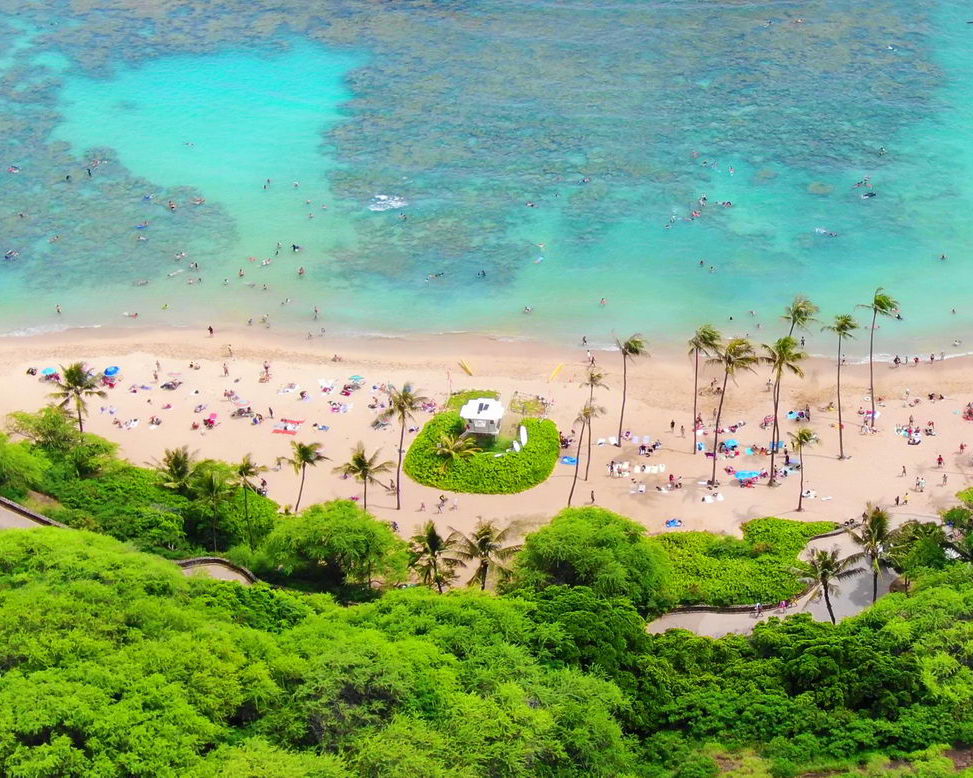
8. Hanauma Bay
I haven’t personally been to Hanauma Bay on the south shore, but I’ve done enough research on it, and talked to enough people who have gone, to know this is not a casual “swing by and see what happens” beach.
Hanauma Bay is structured, regulated, and very intentional about how people move through it. That’s a good thing, but it also means you need to plan.
This is Oahu’s most famous snorkeling spot for a reason. The bay is protected, the water is often clear, and marine life is abundant. In my honest opinion, it’s one of the calm beaches on Oahu perfect for swimming and snorkeling that is going to be worth a stop next time I visit.
It’s also one of the most controlled beach experiences on the island. You watch an educational video before entering, reservations are required, and daily visitor numbers are capped to protect the reef.
The experience starts at the upper level, where you check in and watch the video, then head down to the beach. The walk is steep, but the good news is that the tram service between the upper and lower levels is included with the entry fee, which takes a lot of pressure off for anyone managing mobility, fatigue, or energy limits.
Hanauma Bay is a good option that rewards preparation and patience, and it works best when you follow the system instead of fighting it.
Location
7455 Kalanianaole Highway, Honolulu, Hawaii 96825
Parking
- $3 Paid parking lot at the upper level of the park
- Parking is limited and tied to reservation availability
- Arriving at your reserved time matters
Cost
- $25 Entry fee required for non-residents
- Free for Oahu residents and active military military (with ID)
Accessibility for People With Accessibility Needs
- Tram service available between upper and lower park levels and included with admission
- Beach wheelchairs are available for free
- Call (808) 396-4229 for information
- Paved paths and structured entry points make navigation more predictable than many beaches
- The beach itself still has sand and water entry challenges depending on conditions
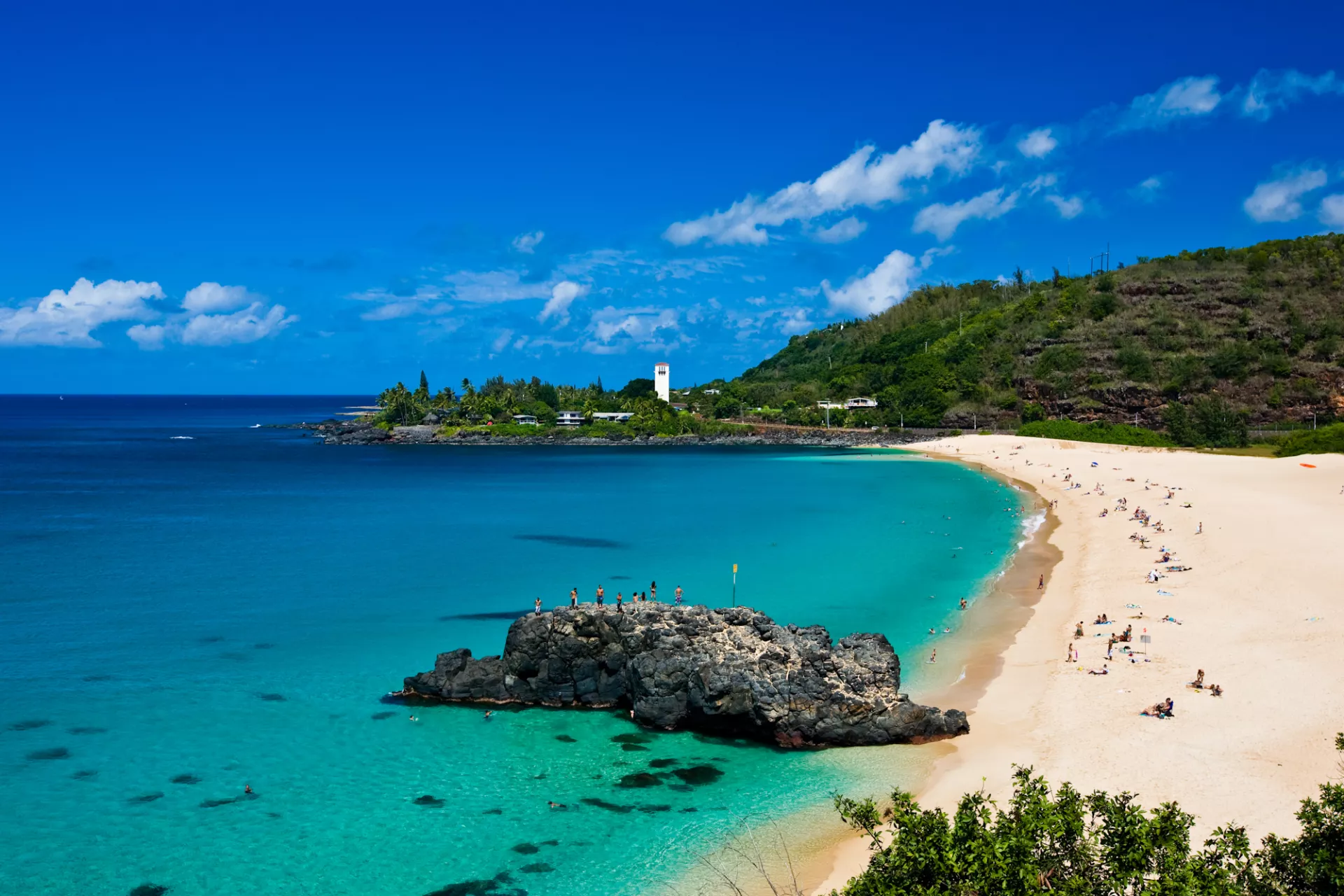
9. Waimea Bay
I haven’t personally been to Waimea Bay, but this is one of those beaches you don’t treat casually. It’s famous for a reason, and that reason changes depending on the time of year.
Waimea can be calm, swimmable, and family-friendly in summer, or completely off-limits in winter when the surf turns serious. Knowing which version you’re getting matters more here than almost anywhere else on Oahu.
In winter, this is big wave territory. We’re talking massive surf, serious power, and the birthplace of modern big wave surfing. This is when professionals show up and spectators stay safely on shore. It’s impressive to watch, but it’s not a swimming beach during these months, and pretending otherwise is how people get hurt.
In summer, Waimea flips. The water can turn calm and clear, making it one of the most family friendly swimming beaches on the North Shore. This is when people snorkel, float, and jump off the iconic rock on the side of the bay. Lifeguards keep a close eye on conditions and will shut down jumping when it’s unsafe, which should always be taken seriously.
Waimea works because it’s flexible. It can be dramatic or relaxed, thrilling or mellow, depending on when you go. The key is checking conditions and being honest about what kind of day the ocean is offering.
Waimea Bay is a place to check the forecast first and decide after. When conditions line up, it’s incredible. When they don’t, it’s still worth seeing from a safe distance.
Location
Waimea Bay Park 61-031 Kamehameha Highway, Haleiwa, HI 96712
Parking
- Free parking lot at Waimea Bay Beach Park
- Parking fills quickly, especially during summer and surf season
- Arriving early makes a big difference
Cost
Free. Waimea Bay is a public beach park.
Accessibility for People With Accessibility Needs
- Beach mat is located at Waimea Bay Beach Park, 61-031 Kamehameha Highway
- Beach Access Mats only available to a viewing point.
- No beach wheelchairs are listed
- Paved parking lot and paved paths within the beach park
- Restrooms and outdoor showers available
- Flat grassy areas near the beach for resting or viewing
- Sand can be soft and uneven closer to the water
- Water access varies greatly by season and conditions

10. Sunset Beach
Sunset Beach was a quick stop for me on my Circle Island tour. I wandered around for about twenty minutes, took photos, and moved on. The oddly shaped palm trees were what caught my eye first, with the wide stretch of beach behind them.
It felt open and calm, even without spending much time there, and very different from the tighter, more built-up beaches closer to Waikiki.
This is a long, two-mile stretch of sand on Oahu’s North Shore, and it feels expansive. In winter, this beach is all about surf. Massive waves roll in, pros show up, and most people are there to watch from a safe distance.
In summer, conditions shift, and the water can become calm enough for swimming and snorkeling near the reef. Like a lot of North Shore beaches, what you can do here depends entirely on the season.
Even without getting in the water, Sunset Beach is worth a stop. It’s scenic, breezy, and exactly what people picture when they think of the North Shore. If you time it right, the sunsets really do live up to the name.
Sunset Beach works well as a scenic stop, a surf-watching spot in winter, or a calmer beach in summer if conditions cooperate. Even a short visit gives you a real feel for the North Shore without needing to commit to a full beach day.
Location
Sunset Beach ParkPupukea, HI 96712
Parking
- Parking is available near Sunset Beach, including at Sunset Beach Park across the road
- Parking fills quickly during surf season and around sunset
- Arriving earlier in the day makes parking easier
Cost
Free. Sunset Beach is a public beach.
Accessibility
- Beach entry at Sunset itself is sand only, with no beach access mats
- The closest beach access mats leading to a viewing point are located at Ehukai Beach Park, at 59-337 Ke Nui Road
- These mats lead to a viewing area, not into the water
- Beach entry at Sunset itself is sand only, with no beach access mats
- No beach wheelchairs are listed for Sunset Beach
- Restrooms and outdoor showers are available at Sunset Beach Park across the highway
- Sand can be soft and uneven, especially closer to the shoreline

11. Mālaekahana Beach
Mālaekahana Beach feels quieter than a lot of the North Shore, in a way that’s intentional, not accidental. It’s the kind of place people come to slow down, camp, and spend time outside without needing a packed agenda. White sand, open space, and fewer crowds make it feel relaxed rather than remote.
One of the standout features here is Mokuʻauia, also known as Goat Island. At low tide, you can walk out to it from the shore, which makes it a unique spot for exploring, wildlife viewing, and tide pooling. It’s one of those things that feels simple but memorable, especially if you time it right.
The water here supports a mix of activities depending on conditions. People surf, bodyboard, kayak, and paddleboard, with winter often bringing better waves for beginner to intermediate skill levels. There are no lifeguards, though, so this is very much a “know your limits and check conditions” beach. Reef shoes are a smart call here.
Mālaekahana is also known for camping. Between the state recreation area and the privately managed campground, there are tent sites, cabins, and basic facilities. It’s a solid option if you want to experience the North Shore without bouncing back to a hotel every night.
Location
Off Kamehameha Highway (Highway 83), Malaekahana Beach: Kalanai Point Section 0.6 mile north of La’ie town; Kahuku Section 1.3 miles north of La’ie town.
Parking
- Parking is available near the beach and campground areas
- Availability varies depending on day use and camping activity
- Checking access points ahead of time helps avoid confusion
Cost
- Beach access is free
- Camping requires reservations and fees through either Hawaiʻi State Parks or the private campground, depending on the site
- $20 per night for residents
- $30 per night for non-residents
Accessibility for People With Accessibility Needs
- No beach access mats listed
- No beach wheelchairs are listed
- Access varies depending on whether you enter through the state park or campground
- Terrain includes sand, grass, and uneven natural surfaces
- No lifeguards on duty
- Reef shoes recommended for water entry

12. Hidden Beaches in Oahu
Hidden beaches are tricky to write about, because the whole point is that they aren’t meant to be easy or obvious.
These are the places you find by wandering, taking a wrong turn, or following your feet instead of a map. They don’t come with signs, facilities, or a plan. That’s the appeal.
I stumbled onto Secret Beach once while walking with my family. We weren’t looking for anything specific, just exploring, and suddenly the beach opened up in front of us.
What we found instead were endangered Hawaiian monk seals resting on the sand. Hawaiʻi Marine Animal Response was already there, actively monitoring the area to make sure the seals could rest without disruption.
Most people kept their distance. One tourist did not.
They crossed the marked boundary to get a photo, ignored repeated instructions to move back, and were reported. Disturbing monk seals is illegal. These animals are federally protected, and there are real consequences for interfering with them, including fines.
That moment stuck with me. Hidden beaches are not playgrounds or photo props. They’re often quiet for a reason, shared with wildlife and local communities who rely on visitors knowing how to behave.
Sometimes the right move is to observe from a distance and leave without leaving a digital trail behind. If you stumble onto one, consider it a privilege. Respect the space, follow posted guidance, and remember that not everything beautiful needs to be pinned, tagged, or shared.
Map of Accessible Oahu Beaches
Planning a beach day is way easier when you know what you’re walking into — literally. I’ve been caught off guard too many times by “easy” beaches that turned out to mean three sand dunes and no bathrooms. So I pulled together the most practical stuff I wish I had known upfront.
This map includes:
- Beaches with access mats (those firm paths that help you avoid sinking into soft sand)
- Locations where you can borrow beach wheelchairs (free, but you need to call ahead)
- Lifeguard stations, because knowing someone’s watching the water changes how I relax
- Extras like restrooms, picnic areas, and ramp access so you don’t waste energy just getting set up
Whether you’re traveling with kids, chronic pain, mobility needs, or just don’t want to risk a sketchy trail to get to the ocean, this map saves you the guessing game.
Respect the Wildlife and Local Culture When Visiting Oahu Beaches
Hawaiʻi beaches aren’t theme parks. They’re living ecosystems, culturally significant places, and in many cases, protected by law. Most problems don’t come from people being intentionally disrespectful. They come from people assuming rules don’t apply because they’re on vacation.
1. Signs and Beach Guidance
Signs about currents, closures, wildlife, or restricted areas are not decorative. Ocean conditions change fast, and guidance is based on real risk. Ignoring it puts you, wildlife, and first responders in unnecessary danger.
2. Native Animals
Hawaiian monk seals and green sea turtles are federally protected. Hawaiʻi guidance is clear. Stay at least 50 feet away from monk seals and 10 feet from turtles. Touching, crowding, or trying to get a close-up photo can result in fines. If volunteers or response teams are present, listen to them. They are there to protect the animals, not ruin your day.
3. Coral Reefs
Do not touch coral. Ever. Coral is alive. Standing on it, kicking it while snorkeling, or breaking pieces off causes permanent damage. Hawaiʻi’s reef protection rules exist because once coral is damaged, it does not recover on your timeline.
4. Cultural Sites
Many coastal areas include sacred rock formations and culturally significant sites. If something looks intentionally placed or marked, leave it alone.
Rock stacking, climbing restricted areas, or treating the landscape like a backdrop for content is deeply disrespectful and often prohibited.
5. Leave What You Find
Shells, rocks, lava rocks, sand. Leave them where they are. Beyond the fact that removing natural items is illegal in many areas, there’s also a long-standing cultural belief tied to Pele, the goddess of fire and volcanoes.
You’ll often hear this referred to as Pele’s Curse, which centers on the idea that taking lava rocks or sand brings bad luck until they’re returned.
Whether you believe the legend or not, the underlying message matters. Hawaiians believe natural elements carry mana, or life force, and removing them without respect goes against cultural values.
There’s a reason national parks receive thousands of mailed-back rocks every year. Just don’t take souvenirs from the land.
5. Reef-Safe Sunscreen
Hawaii law bans sunscreens containing oxybenzone and octinoxate because they damage coral reefs. Reef-safe sunscreen is not optional here. If your sunscreen isn’t allowed in Hawaiʻi, don’t bring it.
Respecting Oahu’s beaches isn’t about being perfect. It’s about paying attention, slowing down, and remembering that you’re a guest in a place that has been cared for long before you arrived.
Like the post? Save it for later!
What to Pack When you Visit Oahu Beaches
- Reef-safe sunscreen
- Hawaiʻi bans sunscreens with oxybenzone and octinoxate. Check the label before you pack it or buy it once you arrive.
- Water shoes
- Helpful for rocky entries, lava rock beaches, tide pools, and places where the sand drops off fast.
- Reusable water bottle
- It’s hot, shade isn’t guaranteed, and hydration is not optional.
- Lightweight towel or beach mat
- Some beaches have chairs or grassy areas, many do not.
- Other kinds of sun protection
- A hat, sunglasses, and a rash guard go a long way, especially if you burn easily or want fewer sunscreen reapplications.
- Small cooler or snacks
- Food options are not available at every beach, and energy crashes happen fast in the heat.
- Cash or a card
- For parking, concessions, or last-minute food stops nearby.
- Snorkel gear
- Rentals are not available everywhere, and bringing your own avoids timing and availability issues.
- Closed-toe shoes
- Useful for uneven paths, rocky trails, and beaches like Halona where footing matters.
- Low-sensory extras if you need them
- Earplugs, noise-canceling headphones, or a cooling towel can make a huge difference on busy or windy days.
Frequently Asked Questions about Beaches in Oahu
A lot of beach questions don’t come up until you’re actually standing in front of the water trying to figure out currents, parking, access, or whether your energy is going to cooperate.
These quick FAQs cover the things most travelers wish they knew beforehand, especially if you’re juggling mobility needs, sensory sensitivities, or a low-key beach day agenda.
1. How do I choose which Oahu beach to go to?
Choosing which Oahu beach to go to really depends on the kind of day you want. If you need calm water and predictable access, Ko Olina is the safest bet. If you want postcard views, go to Lanikai. Kailua works when you need bathrooms and easier parking. For surf watching, stick to Waimea or Sunset.
2. Are Oahu beaches easy to navigate with mobility or sensory needs?
Oahu beaches can be easy to navigate with mobility or sensory needs, but the access varies wildly. Ko Olina and Waikiki offer the smoothest pathways and the most predictable terrain. Lanikai and Waimanalo have softer entry points but no facilities, while places like Waimea, Sunset, and Halona have uneven sand or steep drop-offs that may be challenging.
3. Is swimming safe at all Oahu beaches?
Swimming is not safe at all Oahu beaches, and conditions change fast. Ko Olina and Kailua usually offer calmer water, while Lanikai can shift depending on wind. North Shore beaches like Waimea and Sunset are great in summer but dangerous in winter. Always check posted signs and avoid shore breaks at places like Makapuʻu or Sandy’s.
4. Where can I find a quieter beach in Oahu?
Finding a quieter beach in Oahu usually means heading to the Windward side or going early. Waimanalo stays peaceful most days, and Kailua has space to spread out even when it’s busy. Lanikai is stunning but loses its “quiet” vibe once parking fills. Ko Olina is calm but not necessarily empty, just more organized.
5. Can I see wildlife like turtles or monk seals at Oahu beaches?
You can see wildlife like turtles or monk seals at several Oahu beaches, but it’s never guaranteed. The North Shore often has turtles resting on the sand, and Secret Beach near Ko Olina is a reliable spot for monk seals. If you do see wildlife, keep plenty of distance and follow posted guidelines, since these animals are federally protected.
Plan Your Beach Day in Oahu Today!
Oahu’s beaches change with the seasons, from jellyfish patterns to wave size and wind, so timing really does matter. Before you lock anything in, it’s worth checking out the best time to visit Oahu so your beach days match what you actually want to do.
Once you’ve got your dates, choosing the right place to stay makes everything easier, especially if you want the sand and water right outside your door at one of the beachfront hotels on Oahu. My personal favorite? The Royal Hawaiian Hotel is a win in my book for history, location, and family fun.
For even more practical, accessibility-aware travel tips, sign up for my newsletter and grab my Oahu family itinerary so you can plan smarter without turning vacation into a full-time job.