
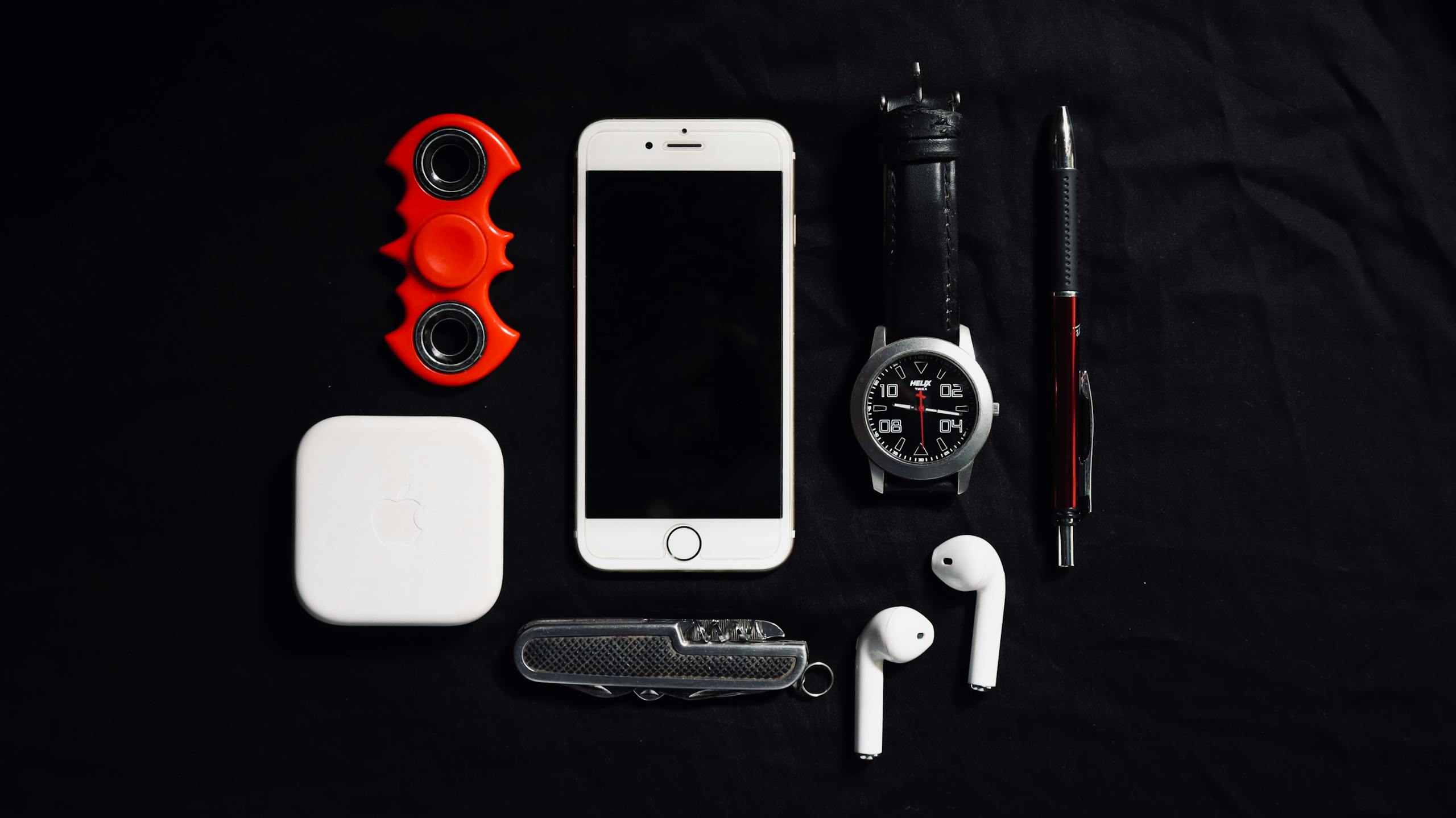
How to Build a Sensory Travel Kit That Works for You

Traveling can be an incredible experience, but for those of us with sensory sensitivities, it can also be overwhelming. That’s where a well-planned sensory travel kit comes in.
Whether it’s blocking out noise with headphones, finding quiet spaces, or managing light sensitivity with a sleep mask, the right tools can make all the difference. As someone with ADHD and a traumatic brain injury, I’ve learned firsthand how essential these aids are.
In this post, I’ll walk you through creating a travel sensory kit tailored to your needs, so you can enjoy your journey with confidence and ease.
What Is a Sensory Kit and Why Do You Need One?
Disclosure: Phoenyx Travels contains affiliate links and Phoenyx Travels is a member of the Amazon Services LLC Associates Program. Meaning Phoenyx Travels receives commissions for purchases made through those links, at no cost to you. Please understand that we have experience with all of these companies, and recommend them because they are helpful and useful, not because of the small commissions we make if you decide to buy something. See our Affiliates and Disclaimers Policy and Privacy Policy for more info.
A sensory kit is like your personal travel sidekick, packed with tools to help you handle sensory overwhelm. Whether it’s a noisy airport or a bright, crowded space, it’s there to create calm when things get intense.
Who Can Benefit from a Sensory Kit?
- Adults with sensory sensitivities: If you’re navigating ADHD, autism, or a brain injury like me, having the right tools can make all the difference.
- Parents of sensory-sensitive kids: A sensory kit is a lifesaver for helping kids stay calm and focused during travel or busy outings.
- Anyone who feels overstimulated: You don’t need a diagnosis to feel the effects of sensory overload. If loud, bright, or chaotic spaces throw you off, a sensory kit can help.
Components of a Sensory Kit
A well-stocked sensory kit is like your personal toolkit for staying calm and grounded, no matter where you are. Here’s a breakdown of the sensory kit ideas:
Visual Soothers
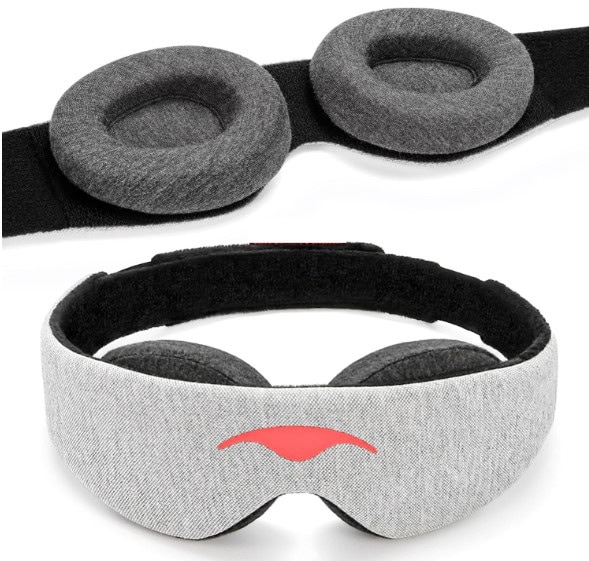
Sometimes, your eyes just need a break. Get a sleep mask to block out light when you are feeling light sensitive (or just a bit like shutting everyone out).
Items like mini lava lamps, calming LED lights, or visual timers can provide a gentle focus point and help ease visual overload.
Auditory Soothers

Blocking out the noise can be a game-changer.
Noise-canceling headphones, white noise apps, or a soothing playlist tailored to your mood can create an instant audio sanctuary.
Tactile Soothers
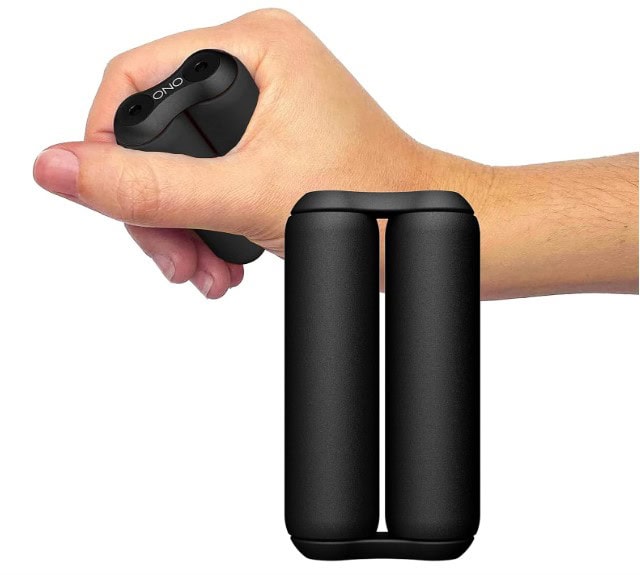
For moments when touch brings comfort, tactile tools like fidget toys, soft fabric swatches, kinetic sand, or a grounding stone can work wonder for your nerves and your fine motor skills.
Taste and Oral Soothers

Chewing can be grounding.
Keep gum, chewy snacks, or even a reusable chewable necklace or accessories handy to help manage sensory overload when you’re on the move.
Smell Sensory Soothers
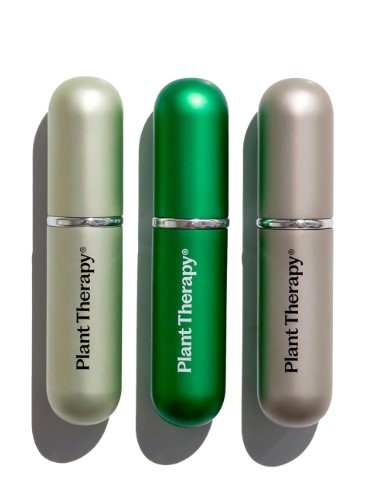
Your sense of smell is powerful, and calming scents can make a world of difference.
Travel-size essential oil blends, aroma sticks, small scented candles or even a pen diffuser can help you reset and relax.
With these items in your travel sensory kit, you’ll have a personalized arsenal ready to tackle anything your travels throw at you—because comfort and calm should always be within reach.
How to Customize Your Sensory Kit for Your Needs
Your sensory kit should feel as unique as you are—it’s all about tailoring it to what helps you most. Here’s how to make it work for your specific needs:
Understanding Your Triggers
Not sure what your triggers are? Start by paying attention to the environments or situations that leave you feeling overwhelmed. Is it loud noises, bright lights, or too much movement? Even if you can’t pinpoint exact triggers, think about what typically helps you feel calm and in control.
Personalization Tips
- Match it to your preferences: If calming items like lavender essential oil work better than stimulating ones, lean into that. Or, if you need a mix, include both soothing and energizing options.
- Consider your sensory profile: Are you more sensitive to sound, touch, or visuals? For auditory needs, pack noise-canceling headphones. If tactile comfort is key, go heavy on fidget toys or soft textures.
Customizing your sensory kit means making it yours. The more it reflects what you need, the better it’ll work to keep you grounded and comfortable, wherever your travels take you.
Step-by-Step Guide to Building a Sensory Kit
Building a sensory kit doesn’t have to be complicated. It’s all about creating something practical and personal that actually works for you.
Here’s how to get started and some sensory kit ideas:
Step 1: Define Your Goals
What’s the main purpose of your kit? Is it for daily life, travel, or both? Think about where you’ll use it—whether it’s in busy airports, noisy restaurants, or even your living room—and let that guide what goes in.
Step 2: Gather Materials
You don’t need fancy tools to make this work. Affordable finds, dollar store treasures, or even repurposing items from around the house can do the trick. A scarf can double as a tactile soother, and that favorite stress ball you forgot about might be your new travel buddy.
Step 3: Assemble the Kit
Pick a container that fits your needs. A compact pouch for day trips or a backpack for more extensive kits both work. Organize your items by type—tactile, auditory, or visual—so you can grab what you need without digging through everything.
Step 4: Test and Adjust
Take your kit out for a spin in different environments. Some items might feel like lifesavers, while others just take up space. Swap things out or refresh it as needed—this kit is for you, so keep it evolving to fit your life.
With these steps, you’ll have a sensory kit that’s not only tailored to your needs but also ready to go whenever life gets loud. It’s your portable calm in the chaos.
Sensory Travel Kits: Planning for Comfort on the Go
Let’s be real—travel can be a sensory minefield. But with a thoughtfully packed sensory travel kit, you can carve out moments of calm no matter where you are. The key is to keep it lightweight and compact, so it’s easy to carry and TSA-compliant (because who needs extra airport drama?).
Think portable fidget toys, noise-canceling headphones, and travel-size aroma sticks. Small, powerful tools like a compact photo album can also offer a comforting visual reminder of home. Staying organized is crucial—use pouches or compartments to make grabbing what you need a breeze.
Pro tip: having separate kits for your carry-on and checked luggage means you’re covered whether you’re 30,000 feet in the air or waiting at baggage claim.
How to Adapt Different Environments
Your sensory kit should work just as hard as you do, adapting to wherever you are.
At home, you might go big with items like weighted blankets or a sensory lamp for a relaxing reset. But on the go, portable essentials like Loop noise-reducing earplugs, calming apps, and a foldable sleep mask are your best friends. When navigating crowded spaces—like airports, festivals, or even a packed subway—noise-canceling headphones and grounding apps can be lifesavers.
Heading outdoors? Bring sunscreen, hydration tools, and compact sensory aids like a travel scarf that doubles as a comfort item. In city environments, lightweight and multi-functional tools make exploring more enjoyable without weighing you down.
Budget-Friendly Tips
Building a sensory kit doesn’t have to wipe out your budget—it’s all about working smarter, not harder. DIY options like homemade stress balls or scented playdough are not only affordable but super customizable.
Look for deals at dollar stores, thrift shops, or online sales to score quality items without overspending.
And don’t ever feel like you have to spend a ton to build your sensory kit. You can repurpose everyday objects. That cozy scarf in your closet? Perfect for tactile comfort. A simple rubber band ball? Great for fidgeting on the go.
With a little creativity, you can build a sensory kit that’s both effective and budget-friendly.
Maintain and Updates to Your Sensory Kit
A sensory travel kit isn’t a one-and-done deal—it needs to be updated regularly to stay useful. Take time to refresh it by replacing consumables like gum, scented sticks, or batteries for your gadgets.
Keep it in a go-to spot, like your favorite travel bag or a drawer near the door, so it’s always ready when you are. Don’t forget to clean your reusable items, like fidget toys or fabric swatches, to keep them fresh and functional. With a little upkeep, your kit will always have your back.
Accessible for Mobility Challenges
Sensory kits should work for everyone, no exceptions. If mobility is a concern, focus on lightweight, easy-to-carry options like crossbody bags or small backpacks. Adding adaptive tools—like reachers or strap attachments—can make it even easier to carry and access your kit.
The goal is simple: make it as practical and user-friendly as possible so it’s always there when you need it.
Enhancing Travel Experiences
A sensory kit is like your travel sidekick, making new and unfamiliar environments feel a little more manageable. Whether you’re navigating a busy airport or strolling through a bustling city, having tools on hand to manage sensory sensitivities can transform your experience. Even better? It boosts your confidence.
Knowing you have everything you need to stay grounded lets you focus on the fun parts of travel instead of just surviving the chaos. Ever heard of sensory-friendly travel? It’s travel specifically with sensory sensitivities in mind.
Encouraging Others
Once you’ve seen how much a sensory kit can improve your day, it’s hard not to want to share it with others. Talk about how your kit has helped you—whether it’s a quick conversation with a friend or a post on social media.
You might inspire someone to build their own. And remind people that sensory kits are as unique as the person using them.
There’s no cookie-cutter solution; the best kits are tailored to your individual needs and preferences. Sharing your experience can be the nudge someone else needs to create their own little oasis of calm.
Sensory kits are more than just tools—they’re about reclaiming control and comfort, especially in situations that can feel overwhelming. By building, maintaining, and customizing your kit, you’re setting yourself up for smoother travels and a more grounded day-to-day life.
Plus, you’re paving the way for others to prioritize their sensory well-being, too.
The Takeaway: Empower Your Journey
Creating a sensory travel kit is about more than just packing a few items—it’s about preparing yourself to handle whatever travel throws your way.
Whether you’re navigating a busy airport or finding calm in an unfamiliar destination, having the right tools can make all the difference. With a little planning and creativity, your sensory kit can become a powerful ally for stress-free travel.
If you’re looking for ways to stay grounded on the go, our tips for sensory travel can help you find balance wherever your journey takes you.
Subscribe to Phoenyx Travels’ newsletter to travel with confidence and comfort—your way.
More Posts Like This
No posts
