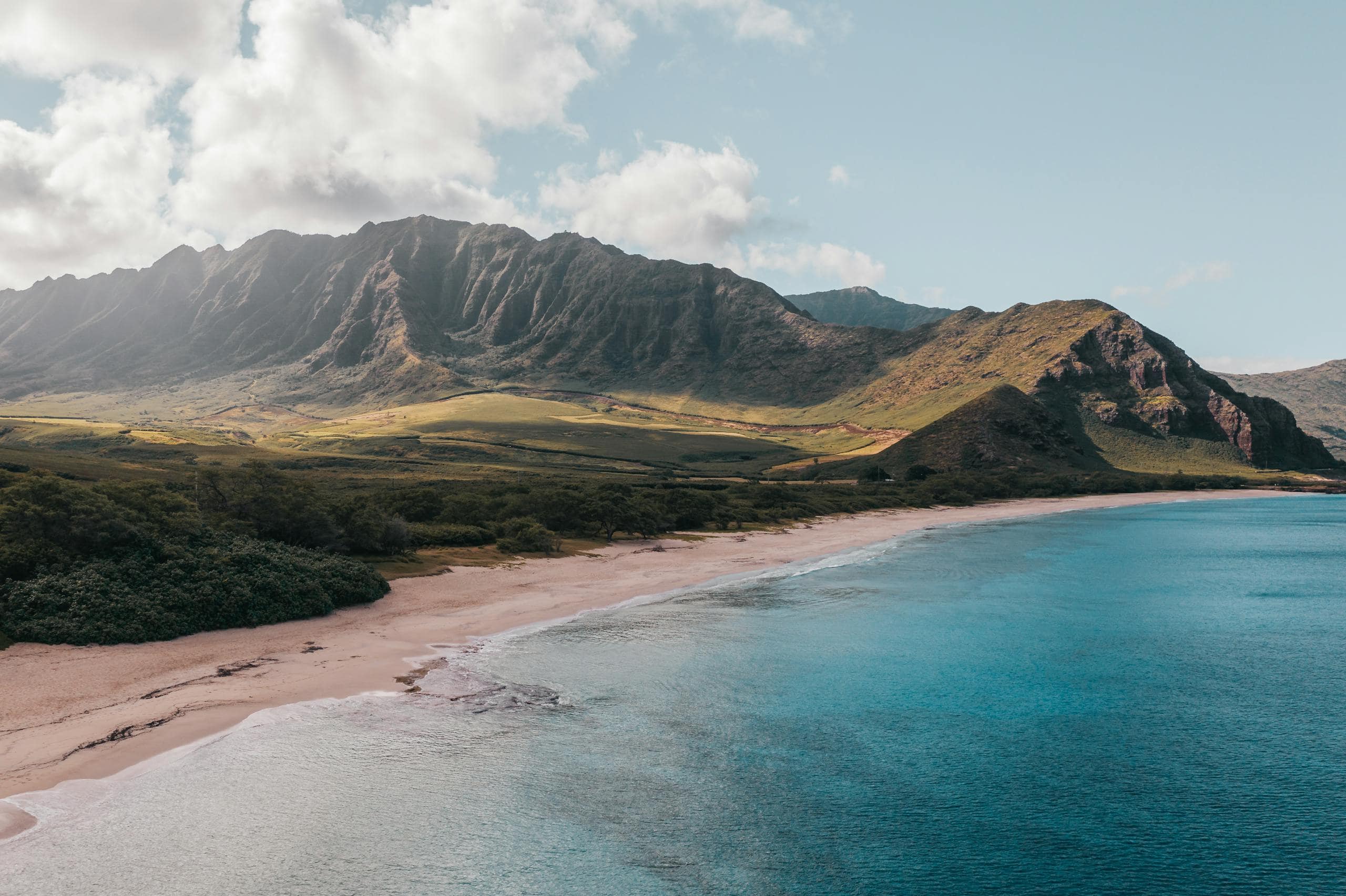
Which Hawaiian Island Is the Best to Visit?

Trying to figure out which Hawaiian island is the best to visit is like asking the internet for parenting advice — suddenly everyone has opinions, half of them contradict each other, and you’re left wondering why you opened your laptop in the first place.
My first trip to Hawaii didn’t come with all that drama. I went to Oahu for a tattoo — simple, unhinged, extremely on-brand. Zero overthinking. Zero Reddit threads. Zero “which island is the best?” analysis paralysis.
But after exploring Oahu and talking with locals? Yeah… the islands are nothing alike. It blows my mind that people talk about them like they’re interchangeable when they’re basically six siblings who share DNA but absolutely not personalities.
And here’s the kicker: people can argue for hours about which one is the best Hawaiian island, but the truth is boring and annoying — it depends on your vibe.
Most travel blogs sugarcoat everything (“every island is magical ✨!!”) or skip the practical stuff that actually matters — like driving times, sensory overwhelm, accessibility, or how chaotic the popular areas can get.
So this breakdown? It’s the one I wish existed when I was planning: honest, a little chaotic, rooted in lived experience, and very uninterested in pretending all islands work for all travelers.
The “best” island isn’t the one on everyone’s Instagram highlights. It’s the one that matches your travel style — energy levels, accessibility needs, sensory thresholds, and everything in between.
⚡ TL;DR on the Best Hawaiian Island
Don’t want to read the whole post? Totally fine. Here’s the quick-and-dirty version so you can stop doom-scrolling and start planning:
🏝️ Oahu
Best for convenience, walkability, variety, and easy logistics. Great first-timer island. Crowded but super user-friendly.
🌺 Maui
Best for luxury vibes, epic scenery, whale watching, and polished resort energy. Beautiful, pricey, and planning-heavy.
🌋 Big Island
Best for adventure lovers, volcano chasers, and anyone who thinks “eight climate zones” sounds like a fun challenge. Huge distances.
🍃 Kauai
Best for nature people, quiet mornings, lush landscapes, and slower pace. Less developed, more rain, extremely peaceful.
😌 Lānaʻi
Best for quiet luxury, empty beaches, and low-stimulation travel. Small, upscale, and calm.
Molokaʻi
Best for cultural depth, authenticity, and a Hawaii experience that hasn’t been shaped around tourism. Limited amenities, big heart.
If you want variety?
Island-hop.
If you want simplicity?
Pick one island and breathe.
Now scroll if you want the full chaotic, deeply honest breakdown — or use this as your cheat sheet and book the damn trip.
Like the Post? Save it for Later!
Disclosure: Phoenyx Travels contains affiliate links and Phoenyx Travels is a member of the Amazon Services LLC Associates Program. Meaning Phoenyx Travels receives commissions for purchases made through those links, at no cost to you. Please understand that we have experience with all of these companies, and recommend them because they are helpful and useful, not because of the small commissions we make if you decide to buy something. See our Affiliates and Disclaimers Policy and Privacy Policy for more info.
🏝️ Oahu
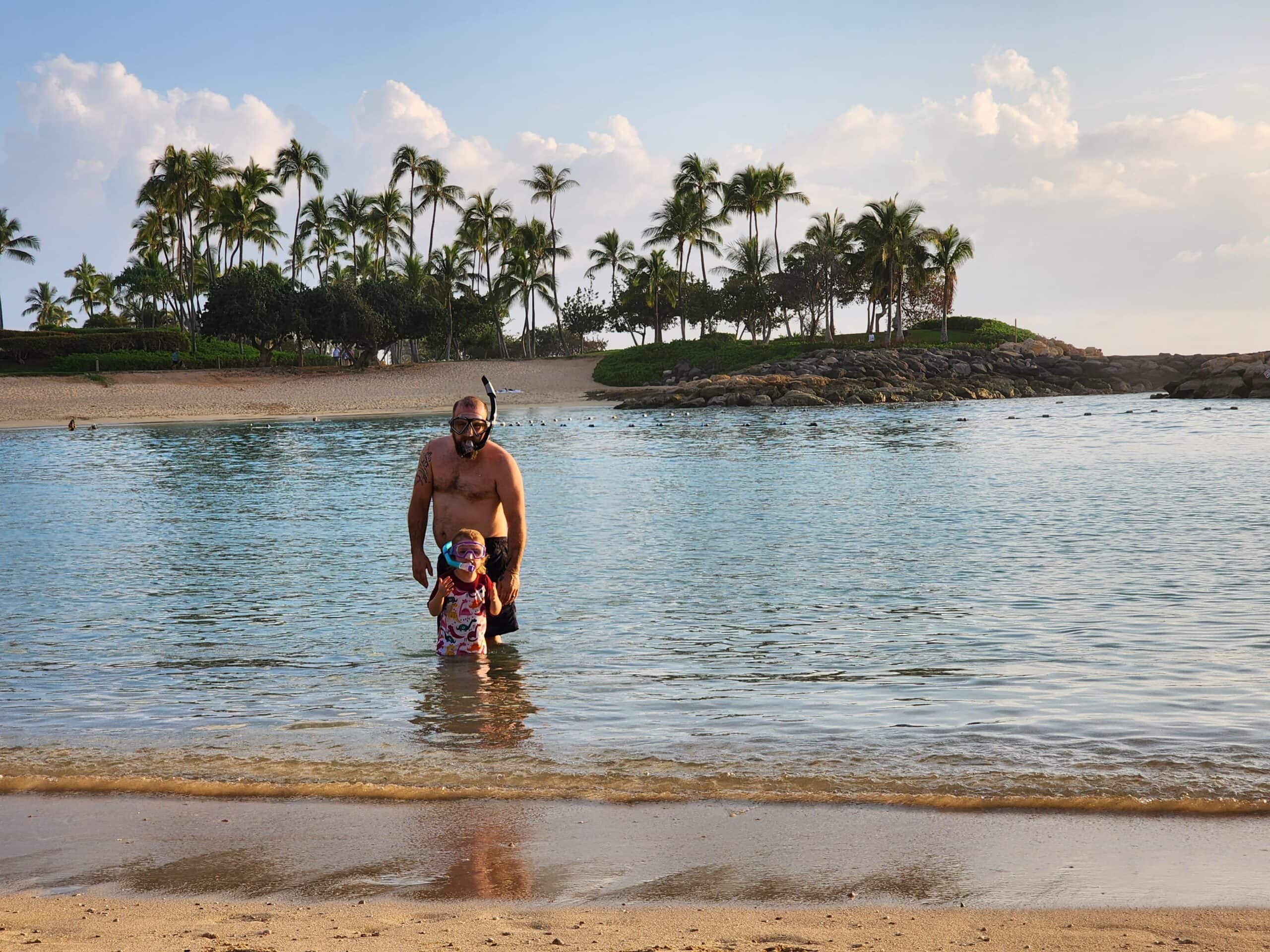
Oahu is the only island where you can get beaches, history, nightlife, shopping, and easy logistics all in one place.
It’s the island where you can wake up with zero plans and still end up having a great day — food, beaches, museums, history, activities, all conveniently waiting for you like, “Hey, you good? Need options?”
I’ve been to Oahu twice — once solo, once with my husband and our 6-year-old — and both times the island delivered exactly what I needed without making me work for it.
Solo Phoenyx: wandering Waikiki, eating whatever worked quickly between 13 hour tattoo sessions, sitting on the beach figuring out how to travel again after my accident, and generally vibing.
Family Phoenyx: deeply grateful for walkability, food that didn’t cause meltdowns, and beaches close enough to reach before anyone got hangry. And North Shore was our favorite to avoid all the crowds.

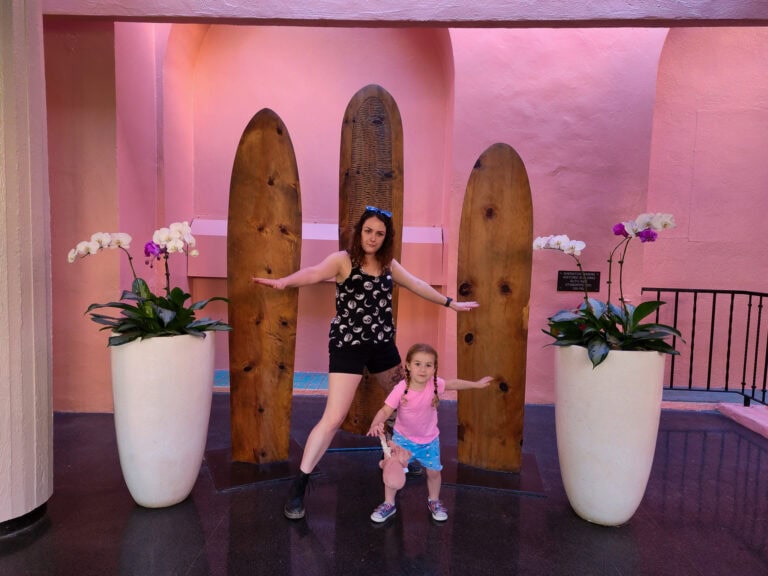
Staying at the Royal Hawaiian gave us easy ocean access, pink everything, and the ability to wander straight into shops or restaurants without dragging a tired kid across town.
Over at Ko Olina, the Marriott Beach Club had a million things to do (or not do), predictable, and built for people who need a break from overstimulation at Waikiki.
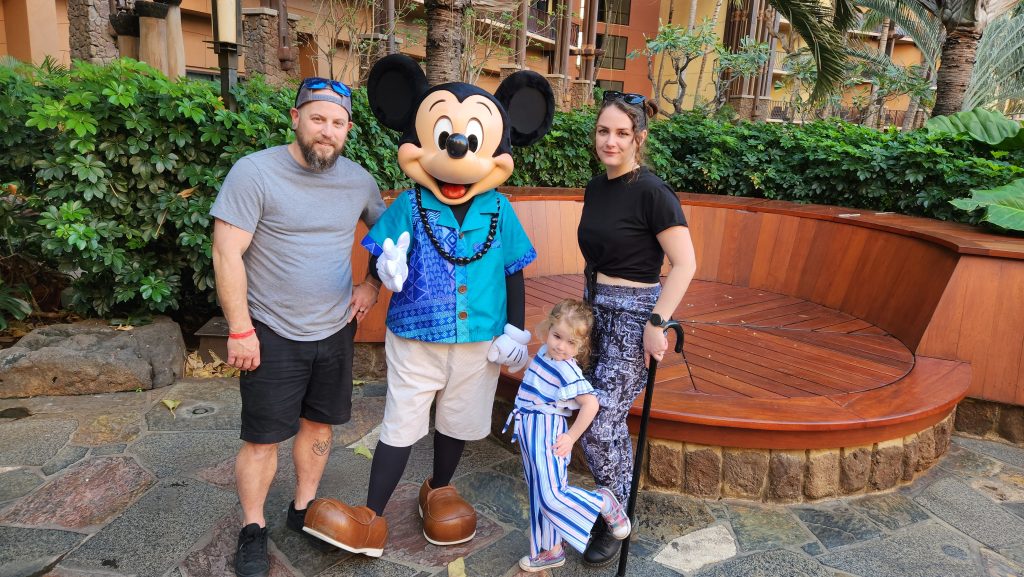
Disney’s Aulani next door?
Fun, colorful, and very committed to offering Mickey-shaped anything which my daughter was obsessed with.
Who Oahu Is Best For
Choose Oahu if you want:
- A mix of activities without long drives
- Strong infrastructure and accessibility
- A stress-free first Hawaii trip
- Solo travel that feels safe
- A destination that doesn’t require Olympic-level planning
Oahu is great for anyone whose energy comes and goes (hi, neurodivergent friends), travelers with mobility needs (accessible beaches!), or families who understand the power of a well-timed Hawaiian shave ice.
What Oahu Actually Feels Like
Beautiful? Yes.
Peaceful? Sometimes.
Full of other humans? Absolutely.
Waikiki is busy — not bad busy, just “don’t expect to be alone at sunrise” busy. Colorful, walkable, and buzzing.
Drive 40–45 minutes north, though, and it calms down dramatically. Same island, different spirit.
Pros of Oahu
- Tons of things to do without having to work for it
- Walkable, predictable, and user-friendly
- Great food, including budget-friendly options (grocery store poké , anyone?)
- Easy for families, solos, or anyone who wants variety
- Strong accessibility compared to other islands
Cons of Oahu
- Waikiki crowds can be… a lot
- Urban energy might kill the “Hawaii is so laid back” fantasy
- Popular tours book fast, like months ahead
- Traffic exists and does not care about your itinerary or PTSD
My Real Take on Oahu
If you want a Hawaii trip that’s fun, flexible, and doesn’t require spreadsheets, Oahu is the safest bet. It’s also the island that made me realize I could travel again after my accident – so yes, it gets a permanent gold star from me.
🌺 Maui
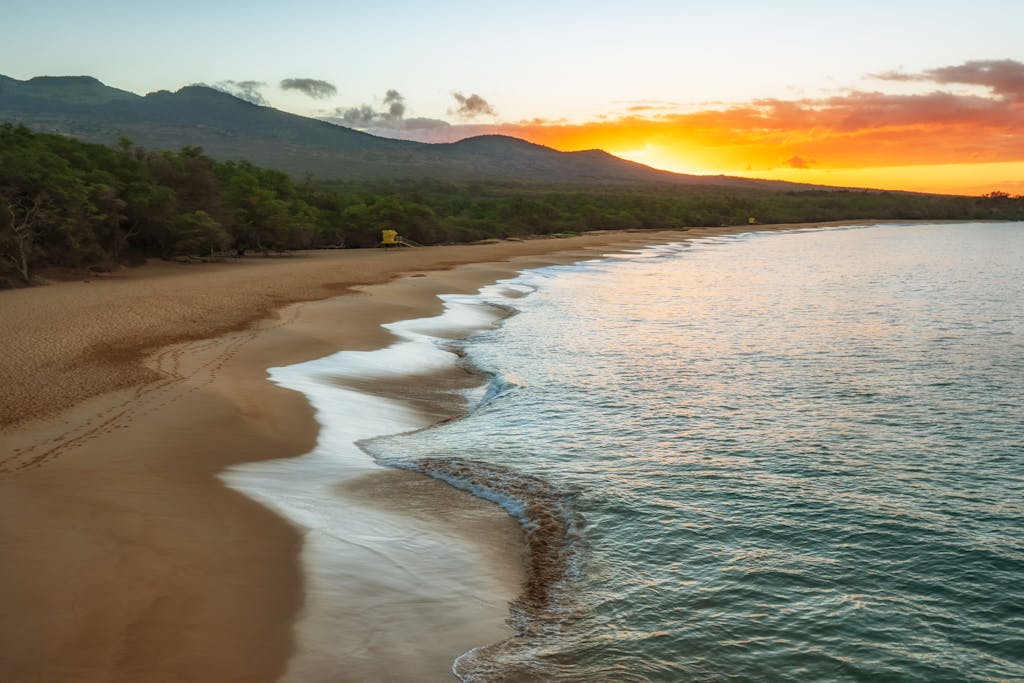
Maui is gorgeous, dramatic, and very aware of its own beauty. It’s often pitched as the best Hawaiian island to visit if you want big scenic payoffs — volcano sunrises, cliffside drives, polished resorts, the whole cinematic package.
Full honesty? I haven’t done Maui yet. Every time I start planning, something in me goes, “Not this trip.” I think it’s because I gravitate toward less crowded, less structured destinations — but I still fully respect Maui for the iconic queen she is.
If you love high-end resorts, unbelievable beaches, and a vacation that feels like it should come with a robe and a glass of champagne, Maui will absolutely show up for you.
Who Maui Works For
Pick Maui if you want:
- Dramatic scenery
- Luxury resorts
- Whale watching in winter
- Polished, curated vacation energy
- Fancy beach days
This island is ideal for milestone trips, couples, families who want comfort, and travelers who enjoy planning… because Maui rewards people who make reservations before they arrive.
What Maui Actually Feels Like
Calm but not empty. Scenic but not secluded. Luxurious without being pretentious.
Resort areas are lively, beaches are gorgeous, snorkel spots are excellent — and yes, the prices are high enough to whisper “are we okay?” to your bank account.
You can be active or lazy here, just expect to pay for either.
Pros of Maui
- Some of the best beaches in Hawaii
- Incredible resorts
- Great whale watching
- Beautiful mix of nature + comfort
Cons of Maui
- Expensive
- Popular areas get crowded
- Requires advance planning
My Real Take on Maui
Maui is perfect if you want your Hawaii to feel elevated, luxurious, and aesthetically pleasing at all times. If you want quiet, budget-friendly, or spontaneous? Maybe wait.
🌋 Big Island
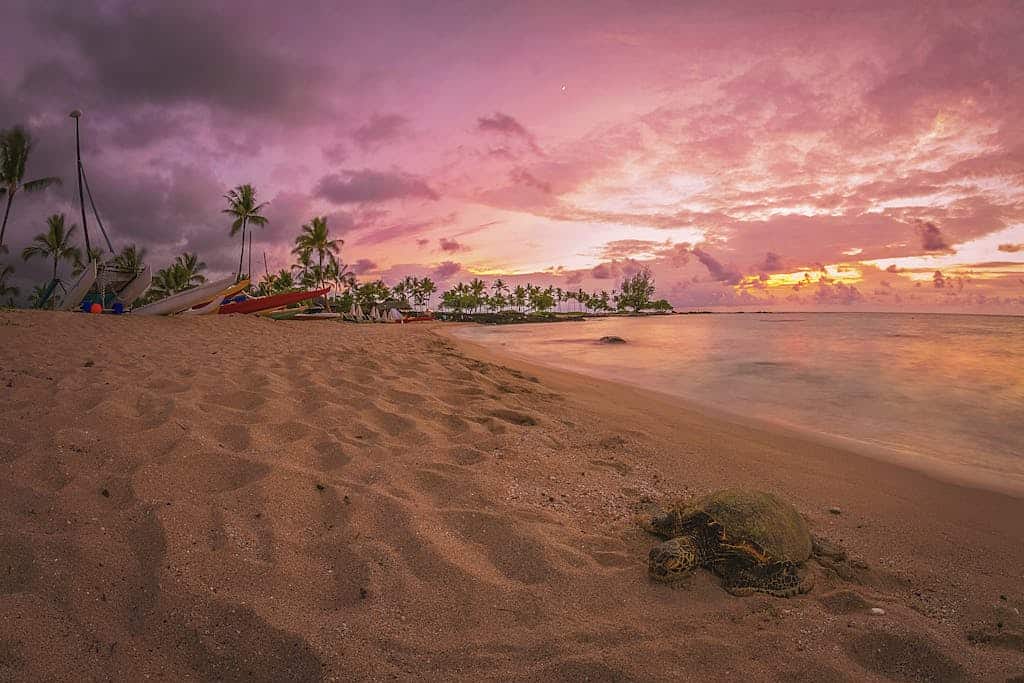
Big Island is the only place where you can go from lava fields to rainforests to snow-topped mountains in the same day — which shouldn’t be physically possible, yet here we are.
We haven’t gone yet because my kid’s “how much longer??” limit is about 30 minutes, and Big Island politely laughs at that. But every time I research it, I end up thinking, “Okay but the volcanoes though…and almost book it”.
Also, this is one island I HIGHLY suggest renting a car.
Who the Big Island Works For
Go for the Big Island if you want:
- Adventure with variety
- Volcanoes, lava, geological chaos
- Elite stargazing tours
- Rainforests + lava fields + beaches
- Less touristy options
- A science-nerd paradise
What the Big Island Actually Feels Like
Picture this: rainforest → lava field → mountain → black-sand beach → turtles → emotional exhaustion in the best way. That’s Big Island.
Gorgeous, but spread out. Nothing is close. You will drive. A lot.
And a few quick facts:
- Mauna Kea has world-class stargazing (check out this tour that has the summit, sunset, AND stars!)
- The Big Island has 8 climate zones
- Volcanoes National Park is one of Hawaii’s most visited parks
Pros of the Big Island
- Wild variety
- Unique landscapes
- Less crowded
- Perfect for older kids or STEM-loving people
Cons of The Big Island
- Everything is far apart
- Driving-heavy
- Fewer large resorts
- Needs more planning
My Real Take on The Big Island
If you love science, volcanoes, and variety, Big Island is your playground. If you want quick beach access or minimal logistics? This island will test your patience.
If I went tomorrow, Volcanoes National Park is the first place I’d go.
🌿 Kauai
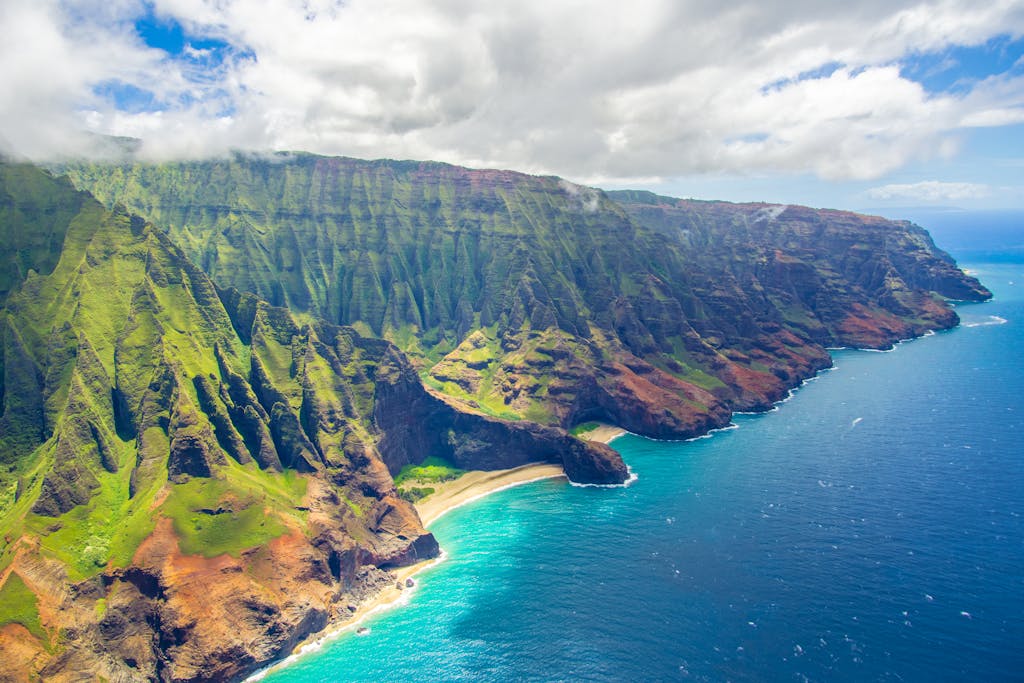
Kauai feels wild and cinematic – not because it’s trying to avoid tourism, but because the geography does the flexing for it. It also gets a ton of votes for the best Hawaiian island for nature lovers, and honestly? It earns them.
It’s lush, stunning, less developed, and the setting for Lilo & Stitch – which tells you pretty much everything.
Every time I research it, it checks all the boxes we actually care about: outdoor adventures, slower pace, unbelievable scenery, and no crowds breathing down your neck while you try to enjoy a waterfall.
It feels like the Hawaii trip where you come home relaxed instead of needing a vacation from your vacation.
Who Kauai Works For
Pick Kauai if you want:
- Nature without the crowds
- Hiking, kayaking, epic scenery
- Quiet mornings
- Slower pace
- Less commercial development
What Kauai Actually Feels Like
Jurassic Park vibes, minus the dinosaurs.
The Na Pali Coast? Unreal.
Waimea Canyon? Also unreal.
Hanalei? Ridiculous.
It’s quieter, gentler, rainier (especially up north), and the whole island seems to move at a slower, more human speed.
Fun facts about Kauai:
- Kauai is the oldest Hawaiian island geologically.
- It’s the wettest major island, depending on where you stay (Mount Waialeale is one of the rainiest spots on Earth).
- It has the fewest highways and least development of the major tourist islands.
- Napali Coast is accessible only by boat, helicopter, or strenuous hiking.
Pros of Kauai
- Beautiful and peaceful
- Great outdoor adventures
- No overwhelming resort sprawl
- Slower pace
Cons of Kauai
- Fewer resorts
- Early nights
- Rain is common
- Limited food options
My Real Take on Kauai
If you want nature, quiet, and actual peace, Kauai is the island. If you need nightlife or a Starbucks every mile? Not your match.
🏖️ Lānaʻi
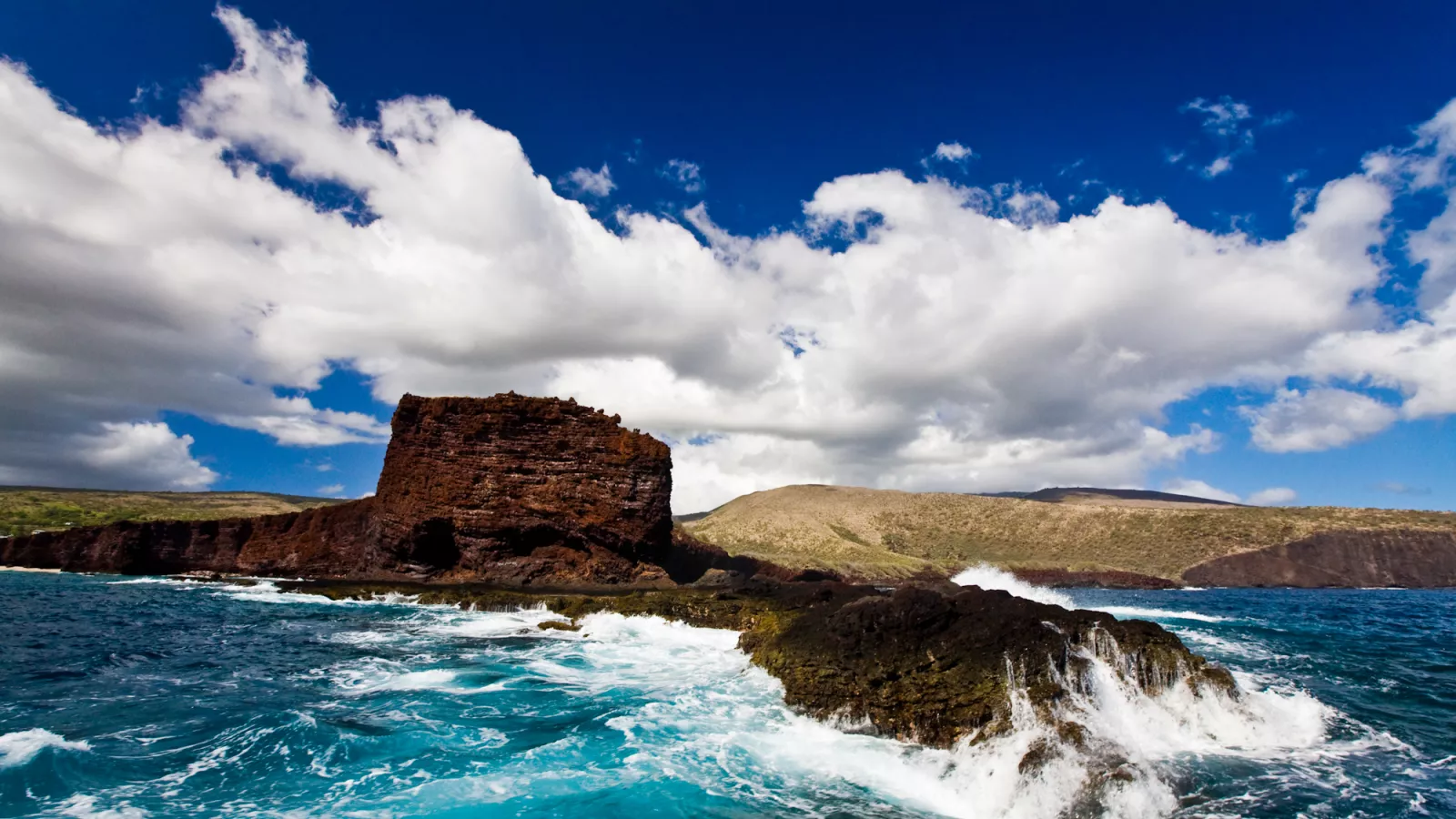
Lānaʻi is the only island that pulls off remote quiet and upscale amenities at the same time. It’s small, calm, and intentionally under-developed, which is why people who crave quiet luxury keep obsessing over it.
We haven’t made it there yet, but every time I see videos of those empty beaches… I get it. It’s giving “rest your nervous system,” not “perform your vacation.”
Who Lānaʻi Works For
Choose Lānaʻi if you want:
- Quiet luxury
- Empty beaches
- Slow travel
- Nature without the chaos
- Just enough activities
It’s great for people who don’t need constant stimulation, couples who want calm, or anyone whose nervous system is tired of being in survival mode.
What Lānaʻi Actually Feels Like
Like someone turned down the volume on Hawaii. Peaceful beaches, mellow adventures, and a cat sanctuary that feels wildly on-brand for this island’s personality.
Fun Facts about Lānaʻi:
- Lānaʻi is one of the smallest publicly accessible Hawaiian islands.
- It has limited development and very few resorts.
- The cat sanctuary is real and extremely popular.
- The island is known for calm beaches and slow travel experiences.
Pros of Lānaʻi
- Super quiet
- Calm beaches
- Unique experiences
- Luxe but low-key
Cons of Lānaʻi
- Expensive
- Limited dining
- Not ideal for high-energy groups
My Real Take on Lānaʻi
Lānaʻi is for travelers who want calm mornings, uncrowded beaches, and a soft, slow rhythm. If you want nightlife, variety, or constant activities? Head to Oahu or Maui.
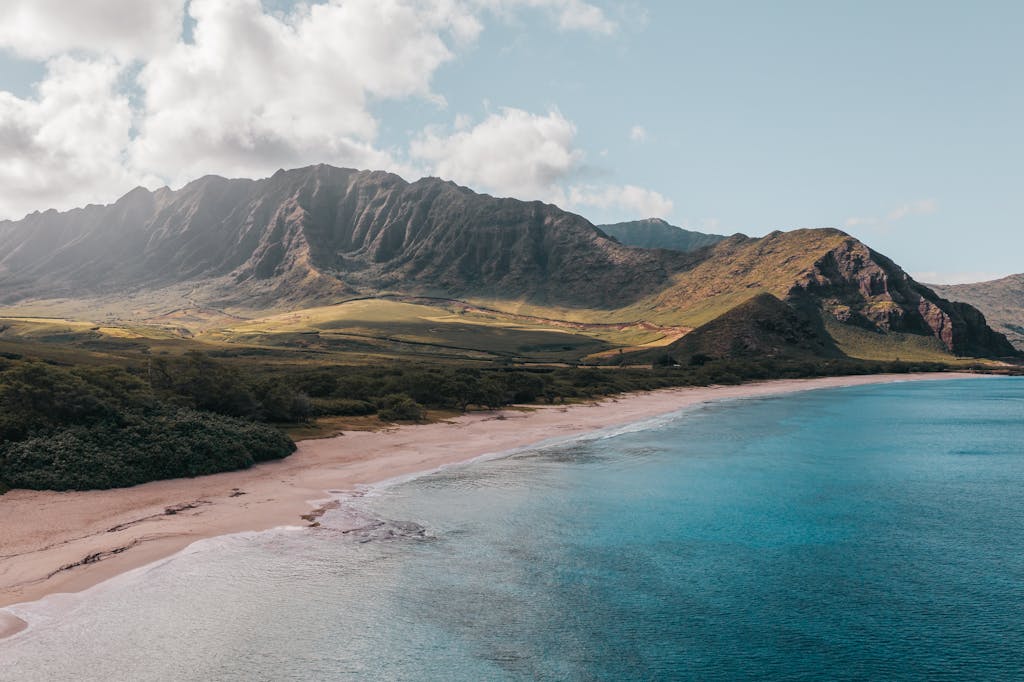
🌺 Molokaʻi
Molokaʻi is the island that stands apart because it hasn’t shaped itself around tourism — at all.
It’s the least visited of the major Hawaiian islands, not due to a lack of beauty, but because it has made a very intentional choice: preserve the land, protect the culture, and keep development limited. This gives Molokaʻi a completely different energy than the others — quieter, more grounded, and far more connected to daily Hawaiian life.
What makes Molokaʻi unique isn’t a single attraction or a flashy landscape. It’s the fact that the island feels lived-in rather than curated. There are long stretches of coastline with no hotels, small family-run businesses instead of tourist complexes, and historical sites that haven’t been smoothed over for easy consumption.
Who Molokaʻi Works For
Molokaʻi is a great fit for people who want:
- A non-touristy experience
- Deep cultural roots
- Nature that isn’t curated
- Uncrowded coastline
- Small-town energy
What Molokaʻi Actually Feels Like
Quiet roads, scenic views, historic sites, no tour buses, no high-rise hotels. You explore at your own pace — there are no packaged experiences here.
If I went tomorrow, the Kalaupapa overlook is where I’d start. The history there is heavy, meaningful, and deeply preserved.
Fun Facts about Molokaʻi:
- Molokaʻi has the lowest visitor numbers among the major Hawaiian islands.
- Development is intentionally limited.
- There are no large resorts or major hotel corridors.
- Cultural preservation is a defining characteristic.
- Kalaupapa National Historical Park is located on Molokaʻi.
- The island’s economy and pace are centered on local life rather than tourism.
Pros of Molokaʻi
- Quiet and spacious
- Strong cultural identity
- Scenic and authentic
Cons of Molokaʻi
- Limited amenities
- Minimal tours
- Requires flexibility
My Real Take on Molokaʻi
If you want a Hawaii experience that’s quieter, more culturally rooted, and free from the typical visitor overload, this island is unmatched. If you want convenience, variety, or a lot of infrastructure, one of the other islands will suit you better.
✈️ Island Hopping
Island-hopping sounds glamorous until you’re actually doing it — juggling bags, dealing with airports, and realizing you accidentally booked two checkout days in the same week.
It’s great if you plan well and know your own limits.
What You Need to Know about Island Hopping
Inter-island flights are short, easy, and frequent, but they’re still flights. You’re still going to the airport. You’re still taking off your shoes next to a stranger who thinks deodorant is optional.
Hawaiian Airlines and Southwest both run reliable routes, but there’s no magical “just hop over!” teleportation energy here.
If you want to jump between islands, cool — but don’t romanticize it.
When Island-Hopping Makes Sense
Island-hopping is absolutely worth it if you’re the kind of traveler who thinks:
“I want to see different landscapes, different vibes, and squeeze the most out of this trip without emotionally combusting.”
It works well for people who travel intentionally and don’t crumble when their plans involve multiple moving parts.
When It’s Better to Stay Put
If your energy levels, schedule, or sanity thrive on simple logistics? Stick to one island.
There’s no award for collecting the entire set of Hawaiian islands like Pokémon cards. Sometimes the best trip is the one where you stay in one spot long enough to actually enjoy it instead of speed-running it.
Practical Tips (From Someone Who Doesn’t Sugarcoat)
- Don’t overpack.
- Inter-island travel punishes people with too many belongings.
- Give yourself buffer time.
- Back-to-back activities? Absolutely not.
- Build in recovery windows.
- Even the “short” flights can derail your energy.
- Choose islands with complementary vibes.
- Example: Oahu → Kauai works.
- Maui → Molokaʻi works.
- Big Island → Oahu is doable.
- Oahu → six-hour meltdown because you planned too much? Less fun.
My Real Take on Island Hopping
Island-hopping is great if you know yourself and plan accordingly.
If you’re the type who loves squeezing variety into the same trip, go for it. If you prefer a relaxed schedule and want to actually enjoy the island you’re on without rushing through it, one island is plenty.
You’re not missing out — you’re just traveling like someone who respects their own bandwidth.
Frequently Asked Questions – Best Hawaiian Island
Before you start overthinking your entire trip again, here are the questions people usually still have when they’re trying to figure out which Hawaiian island actually fits their travel style. Let’s clear up the lingering confusion so you can stop spiraling and start planning.
1. Is it worth visiting more than one Hawaiian island on the same trip?
Visiting more than one island on the same trip is worth it only if your energy and itinerary aren’t already holding on by a thread. Island-hopping adds more logistics and more airport time. If you love variety, go for it. If you prefer simple, stick to one island.
2. How do I choose the right island if I’ve never been to Hawaii?
Choosing the right island if you’ve never been to Hawaii comes down to your travel personality, not the hype. Oahu is easiest, Maui is polished, Kauai is nature-forward, Big Island is adventurous, Lānaʻi is quiet luxury, and Molokaʻi is intentionally uncommercial. Pick the one that matches your energy, not the internet’s.
3. Do you need a rental car on every Hawaiian island?
You don’t need a rental car on every island, especially if you’re staying in walkable areas like Waikiki. But Big Island? It will not function without a car. Kauai, Maui, Lānaʻi, and Molokaʻi also work best with wheels unless you enjoy being stranded.
4. Which island is the least crowded if I want a quieter experience?
Molokaʻi is the quietest by far because development is intentionally limited. Kauai is the next best option, thanks to its nature-heavy layout and spread-out towns. If you’re crowd-averse, avoid Waikiki.
5. Can you visit Hawaii on a budget, or is that delusional?
Visiting Hawaii on a budget is possible, but you need strategy. Oahu and Big Island offer the most affordable options. Maui and Lānaʻi do not care about your wallet. Book early, eat local, and skip overpriced tours.
Choosing Your Hawaiian Island
Once you know your travel style, figuring out the best Hawaiian island becomes a lot easier. It’s really just matching your vibe — nature, adventure, luxury, calm, or convenience — to the island that won’t fight you.
If Oahu is calling your name, check out my guide on the best time to visit Oahu so you can skip crowds, avoid chaos, and choose the perfect window.
And if you want my actual Oahu itinerary — the one I use, not the copy-and-paste Pinterest version — subscribe to my newsletter. Zero gatekeeping, just good planning energy.
You’re basically halfway to Hawaii already.