
Understanding the Importance of Accessibility in Tourism

Travel has always been my lifeline—the thing that gets me out of bed with excitement and keeps my wanderlust burning. Before my accident, I loved hiking challenging trails in Blowing Rock, exploring bustling cities, and experiencing everything the world had to offer.
But after becoming an amputee and living with a severe traumatic brain injury (TBI) with sensory sensitivities, I realized something profound: travel is not universally designed for everyone. And it should be.
Accessibility isn’t just a buzzword or a box to tick on a list of societal advancements. It’s a lifeline, a bridge to independence, and a gateway to experiences everyone deserves.
Let’s dive into why there is such an importance of accessible tourism is so important, how it impacts lives, and how we can make it a global priority.
What Does Accessibility Mean in Travel?
Disclosure: Phoenyx Travels contains affiliate links and Phoenyx Travels is a member of the Amazon Services LLC Associates Program. Meaning Phoenyx Travels receives commissions for purchases made through those links, at no cost to you. Please understand that we have experience with all of these companies, and recommend them because they are helpful and useful, not because of the small commissions we make if you decide to buy something. See our Affiliates and Disclaimers Policy and Privacy Policy for more info.
Accessibility in travel goes far beyond wheelchair ramps and elevators—though those are essential. It’s about creating an environment where every traveler, regardless of their physical or sensory needs, can experience the world with dignity, comfort, and freedom.
Here’s how it breaks down:
Physical Accessibility

This is the most obvious form of accessibility. It includes:
- Wheelchair-accessible hotel rooms and transportation
- Smooth pathways and ramps for those using prosthetics or mobility aids
- Accessible restrooms in public areas
Sensory Accessibility
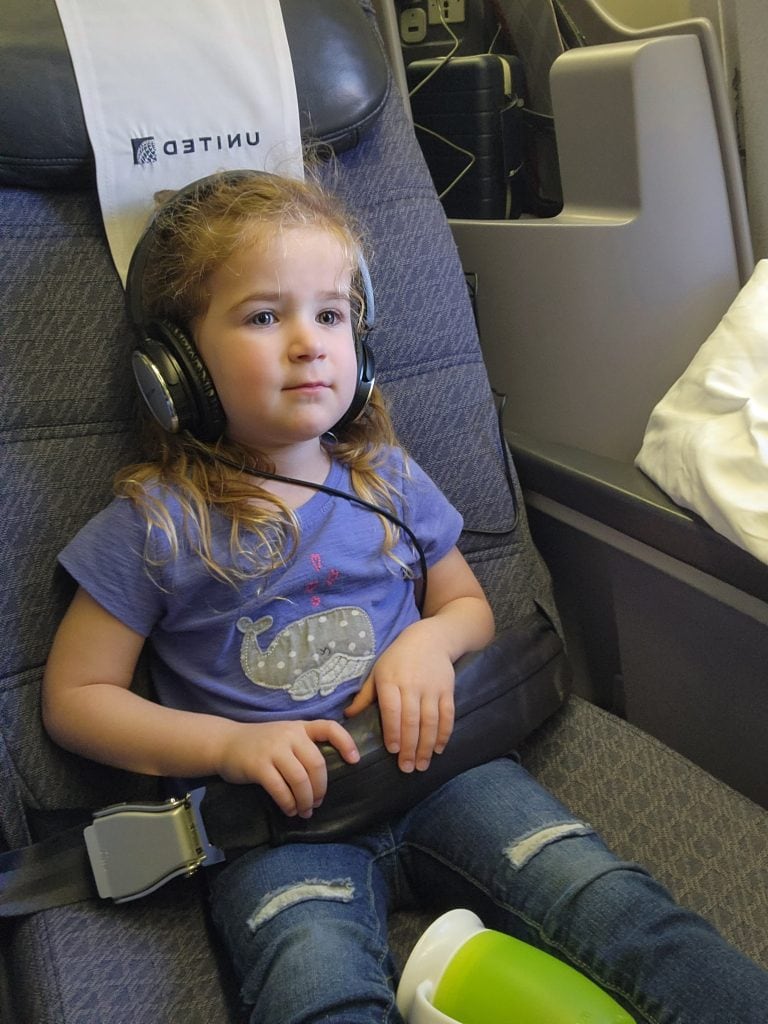
For those with sensory issues, accessibility might look like:
- Quiet rooms in airports or attractions
- Detailed descriptions of what to expect in tours or activities
- Spaces designed with reduced sensory input (e.g., dimmer lights, less noise)
Digital Accessibility

Planning travel starts online, and digital accessibility ensures everyone can navigate websites and apps easily. This includes:
- Screen-reader-friendly booking systems
- Clear and detailed descriptions of accessibility features
- Alternative communication options like chat or email
Emotional Accessibility

Finally, accessibility is about creating an inclusive mindset.
It’s about businesses and destinations welcoming travelers with diverse needs without judgment or awkwardness.
Why Accessibility Crucial
Accessible travel matters because it ensures that everyone, regardless of their abilities, can explore the world confidently. From empowering independence to benefiting all travelers, inclusive travel removes barriers and makes exploration a shared experience for everyone.
Travel Should Be for Everyone
Everyone deserves the chance to explore the world—whether it’s a weekend getaway to the mountains or a bucket-list adventure. For amputees, those with sensory issues, or anyone with a disability, travel often feels like an uphill battle because of barriers that shouldn’t exist.
Take me, for example. Before my accident, I could spontaneously book a trip, hike any trail, or navigate crowded cities without much thought.
Now, every journey requires meticulous planning to ensure I won’t encounter unexpected obstacles like stairs without railings, noisy environments without escape routes, or inaccessible bathrooms.
And while I love a good challenge (red trails, anyone?), the barriers shouldn’t be this hard.
Accessibility Empowers Independence
When travel is accessible, it gives people the confidence to venture out into the world. Accessible features like ramps, elevators, and sensory-friendly options aren’t just conveniences; they’re enablers of freedom.
Imagine a mom with an amputation, being able to take her kids to a theme park without worrying about whether she’ll find a restroom she can use. Or someone who has auDHD with sensory sensitivities, enjoying a museum with noise-canceling headphones and clear signage.
Accessibility transforms anxiety and fear into empowerment.
Accessibility Benefits Everyone
Here’s a secret: accessibility isn’t just for those of us with disabilities. It’s for parents pushing strollers, travelers recovering from injuries, or even tourists carrying heavy luggage. Creating accessible spaces makes travel easier and more enjoyable for everyone.
The Growth of Accessibility in Tourism
In recent years, the travel industry has made significant strides in recognizing and addressing the needs of travelers with disabilities and sensory sensitivities. Destinations around the globe are beginning to prioritize accessibility, focusing not just on compliance but on creating meaningful experiences for all visitors.
Destinations Leading the Way
Many popular destinations have embraced the idea that travel should be inclusive. Cities like Barcelona, with its wheelchair-friendly public transportation and accessible beaches, and Sydney, with attractions like the Sydney Opera House and Taronga Zoo offering facilities that cater to travelers with disabilities.
National parks, such as the U.S.’s Grand Canyon and Yellowstone, have introduced accessible trails and viewing platforms to ensure everyone can soak in their natural beauty.
Enhanced Accommodations
Hotels and resorts are now more proactive in catering to diverse needs. Chains like Hilton and Marriott are upgrading their properties with features such as roll-in showers, lower countertops, and sensory-friendly rooms equipped with blackout curtains and noise-reducing technology.
Boutique hotels are also catching on, designing unique stays that don’t compromise on accessibility.
Inclusive Activities
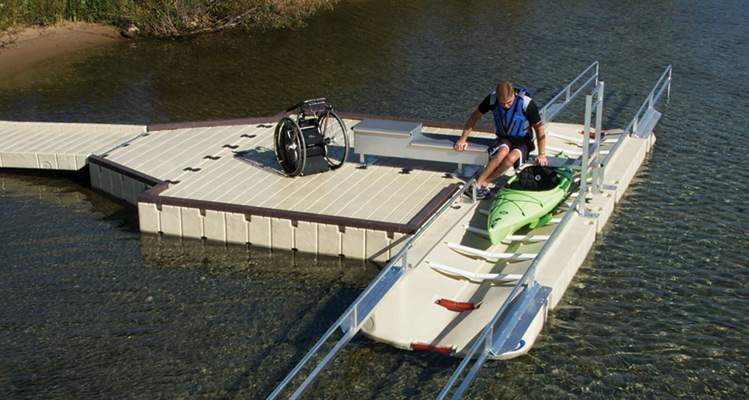
Tour operators and attractions are offering specialized experiences that cater to all.
From adaptive kayaking adventures like those in the Inner Banks to sensory-friendly museum hours, the focus is on ensuring every traveler can participate fully.
Cultural institutions, like the British Museum and the Smithsonian, provide tools such as tactile guides, braille maps, and quiet zones to enhance the experience for those with sensory sensitivities.
The Role of Technology
Technology is playing a significant role in advancing accessibility.
Apps like Wheelmap help travelers find wheelchair-accessible locations, while tools like Be My Eyes connect visually impaired travelers with sighted volunteers for assistance. You can check out the best Accessible Travel Apps to find the most helpful accessible travel apps.
Virtual tours and augmented reality experiences allow individuals to preview destinations and plan their visits with confidence. The momentum is growing, but there is still work to be done.
By continuing to prioritize accessibility, the travel industry can ensure that everyone—regardless of ability—feels welcome and included.
The Challenges of Traveling
Despite progress, challenges like misinformation, physical barriers, sensory overload, and societal attitudes still make travel difficult for those with disabilities or sensory sensitivities. Addressing these issues is vital for truly inclusive travel experiences.
Lack of Accurate Information
The number of times I’ve read “accessible” on a hotel’s website only to find a single steep step at the entrance is… well, too many. Reliable, detailed information about accessibility features is often missing or misleading, which creates unnecessary stress.
Knowing how to find accessible hotels is an art and one that those of us with disabilities need to have in our arsenal.
Physical Barriers
Not every destination has caught up with the times. There are still too many historic sites without ramps, narrow doorways that don’t accommodate wheelchairs, and attractions that simply don’t consider those of us with different mobility needs.
Sensory Overload
Crowded airports, flashing lights, loud noises… it can lead to sensory overwhelm with or without sensory sensitivities. Without quiet zones or clear communication about what to expect, travel can quickly turn into a nightmare.
Social Attitudes
One of the most frustrating barriers is the judgment or lack of understanding from others. Being stared at while navigating an airport with a prosthetic leg or needing to explain why I’m wearing noise-reducing earplugs in loud airports can be exhausting.
Or hearing “You’re so brave” every time I leave my house. Why? Because all disabled people are expected by society to hide in their homes in seclusion? I don’t think so. Education and empathy are crucial.
How Accessibility Transforms Lives
Accessible tourism empowers people to travel with confidence, fostering deeper connections with destinations and others. Inclusive travel inspires resilience, showcases possibilities, and creates unforgettable experiences for travelers of all abilities.
Creating Confidence
Accessible travel removes the fear of the unknown and replaces it with confidence. Knowing that a destination has thought through your needs means you can focus on making memories, not navigating obstacles.
Building Connections
Travel is about connecting with people and places. When destinations prioritize accessibility, they send a message: You belong here. That sense of belonging is priceless.
Inspiring Others
When I hike a challenging trail as an amputee or navigate a chaotic city with my sensory gear, I hope it inspires others to see what’s possible. Accessibility paves the way for stories of resilience and adventure.
How to Advocate for Accessibility in Travel
Advocating for accessibility starts with research and planning, voicing feedback to businesses, supporting inclusive services, and sharing your experiences. Each effort helps create a more accessible and welcoming travel world for everyone.
1. Research and Plan
Use resources like blogs like Phoenyx Travels (hi there!), accessibility-focused travel apps, and social media groups to find reliable information. Planning ahead can save you from surprises.
2. Speak Up
Don’t hesitate to ask businesses about their accessibility features or provide feedback. Constructive conversations can lead to real change.
3. Support Accessible Businesses
Spend your travel dollars where they matter. Support hotels, restaurants, and attractions that prioritize inclusion.
4. Share Your Story
Every time you share your experiences—the good, the bad, and the ugly—you’re helping others in the accessibility community. Plus, your voice adds weight to the movement for change.
Wrapping up Accessibility in Tourism
Travel isn’t just about reaching a destination; it’s about the journey, the connections, and the memories we make along the way. For those of us navigating life with disabilities or sensory issues, accessibility isn’t a luxury—it’s essential.
It’s the difference between sitting on the sidelines and living life to the fullest.
As I continue to explore the world as an amputee with sensory challenges, I’m constantly reminded of the power of accessibility. It’s a simple concept with profound impacts.
Have an experience with an accessible destination? Or an inaccessible one? Email me and tell me all about it!
More Posts Like This
No posts
