
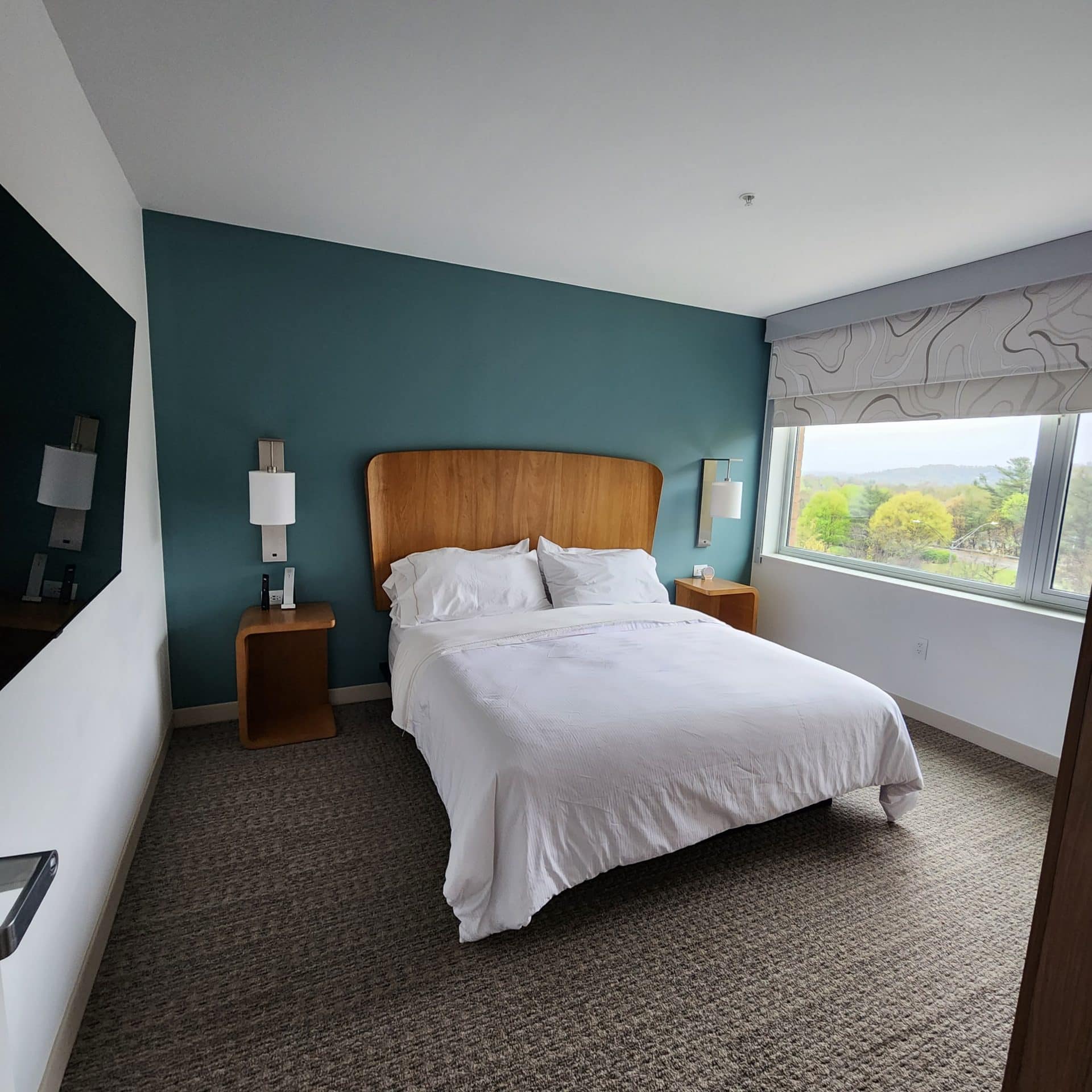
How to Spot Truly Accessible Hotels Like a Pro

Ever found yourself buzzing with excitement over a hotel, only to arrive and find a cheeky little step just at the entrance of your room that wasn’t mentioned anywhere? Or maybe you’ve checked in, expecting peace and quiet, only to be greeted by the early-morning echoes of construction right outside your window.
Yep, been there, and let me tell you, it’s not the fun surprise we’re looking for on a vacation. That’s why I’m here to share some insider tips on how to find truly accessible hotels that cater to your unique needs. To make this easier, I’ve also included a free downloadable checklist to guide you through finding the perfect accessible stay!
Whether it’s avoiding those pesky raised entryways or ensuring a quiet room away from the chaos, this post will tell you how to find accessible hotels that will be your home away from home while you have the adventure of a lifetime.
What Does Accessible Really Mean?
When we talk about accessibility, it’s not just about having a ramp tucked away somewhere or a single grab bar in the bathroom. True accessibility covers a range of features designed to welcome everyone, no matter their mobility or sensory needs.
Mobility Features
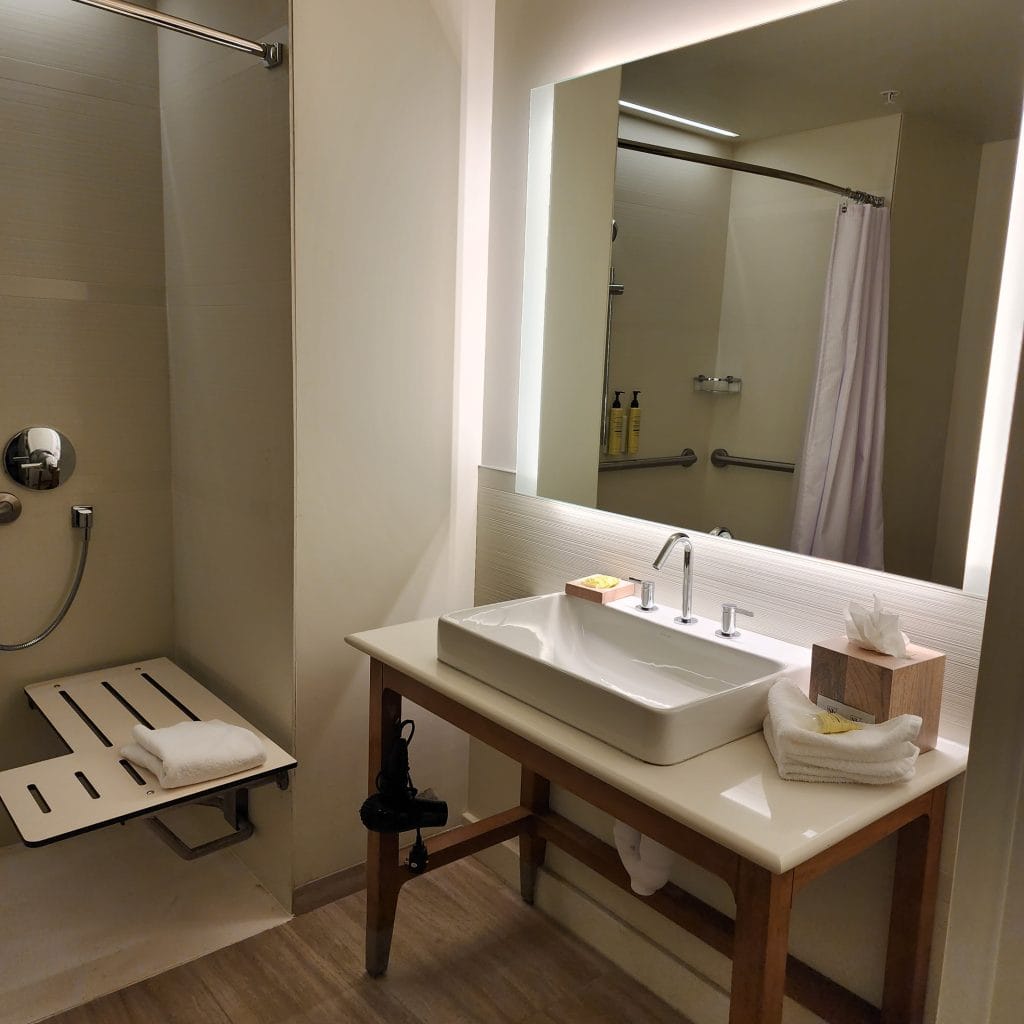
Imagine you’re in one of the best wheelchair accessible hotels where you are rolling through wide doorways with ease, taking a shower in a spacious roll-in shower without a fight, and grabbing onto well-placed bars that actually make sense.
These are just a few of the must-haves to find hotels with accessible rooms. And let’s not forget about those sneaky entryways—hotels that get it right ensure that every entrance is smoothly approachable.
Sensory-Friendly Features
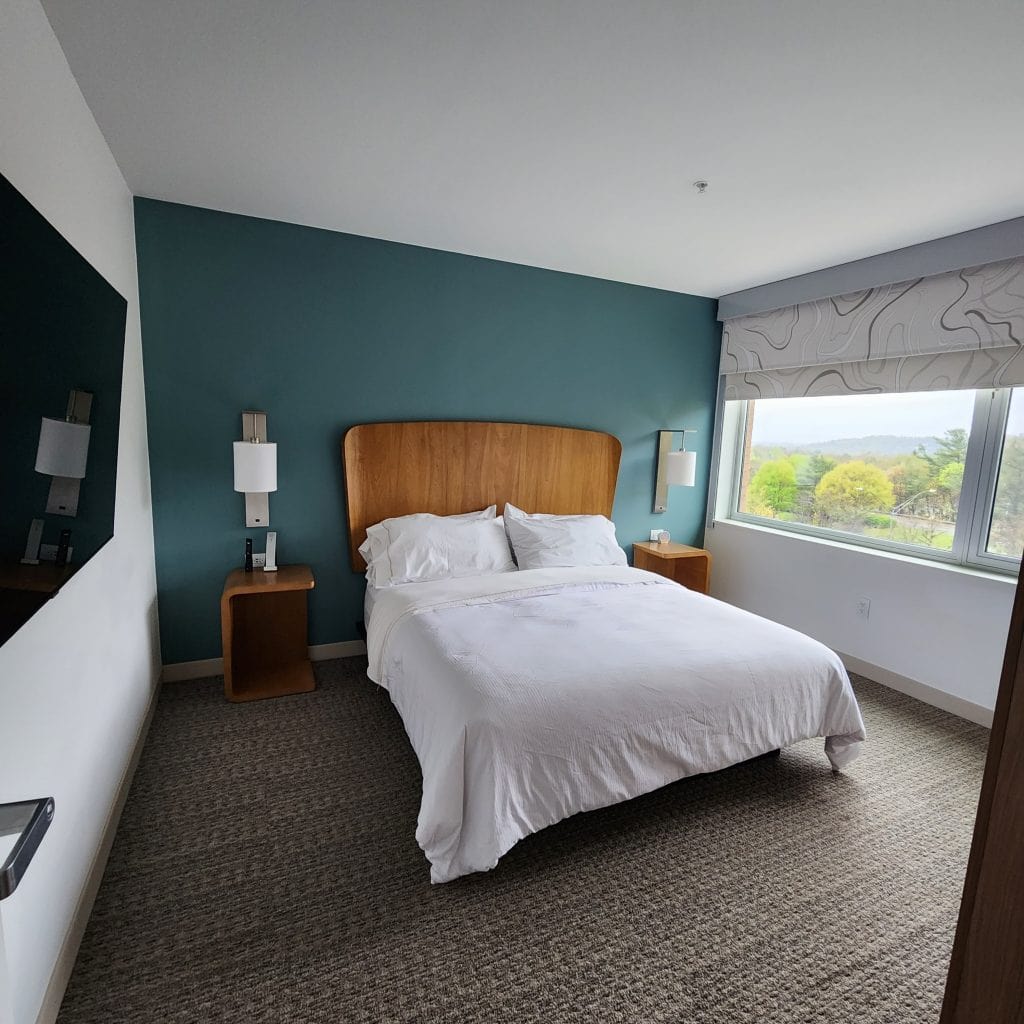
It’s also about the feel of the place.
We’re talking quiet rooms that cut down on the chaos of clanging housekeeping carts, blackout curtains that keep the light at bay for a serene sleep, and gentle, non-fluorescent lighting that doesn’t scream at your eyes.
Levels of Accessibility
Accessibility standards can vary wildly from one country to another. What’s considered compliant with the ADA (Americans with Disabilities Act) in the USA might look a bit different under international guidelines.
But, regardless of where you are, the core idea remains the same: accessibility should make life easier, not more complicated.
By setting the stage with clear definitions and expectations, we can better understand what to look for and ensure that when a hotel says it’s “accessible,” it truly means it.
How to Find Accessible Hotels
Finding a hotel that meets your accessibility needs requires a bit more digging than just a simple search. Here’s how you can get to the heart of what makes a hotel genuinely accessible:
1. Start With Online Searches
Begin your search with specific terms like “accessible hotels near me” or “wheelchair accessible hotels”. A platform like Booking.com is a good starting point because it allow you to filter search results to only show hotels that offer accessible rooms.
When looking up places like “handicap accessible hotels in Pigeon Forge” or “accessible hotels in London,” don’t just stop at the listings. Read the details to see what accessibility features are actually offered.
2. Examine the Hotel Website
Ensure the website describes the accessibility of common areas like pools, restaurants, and fitness centers. A trustworthy hotel will have a page detailing their accessibility features, from step-free access to sensory accommodations like quiet rooms or dimmable lighting.
3. Read Reviews From Verified Travelers
Accessibility can change, so it’s important to read recent reviews to get the latest information on the hotel’s facilities.
Look for reviews that specifically mention the accessibility features of the hotel. Sites like TripAdvisor or Google Reviews can provide insights from guests who have actually used the accessible facilities.
4. Call the Hotel Directly
Ask About Construction: To avoid surprises, inquire if there are ongoing or upcoming renovations that might affect accessibility.
Confirm Details: Nothing beats a direct conversation for verifying information. Ask about door widths, the presence of grab bars, and whether there are sensory-friendly options available.
Pro tip: If the person who answered the phone doesn’t know, ask for someone who does. Don’t be afraid of advocating for your rights.
5. Use Accessibility-Focused Booking Platforms
Some websites are dedicated to helping travelers with disabilities find suitable accommodations. Use these resources to ensure that the hotels meet stringent accessibility criteria.
By thoroughly researching and using a combination of these methods, you can increase your chances of having a stay that meets your accessibility needs. Remember, a little extra effort in planning can lead to a much more enjoyable travel experience.
Red Flags to Watch For
Identifying red flags is crucial when you’re looking for a hotel. Here’s what to keep an eye out for to avoid common pitfalls:
Vague Accessibility Descriptions
If a hotel uses phrases like “partially accessible” or “accessible upon request” without providing detailed specifics, consider it a warning sign. True accessibility should be clear and upfront.
Misleading Terminology
Watch out for terms like “wheelchair accessible” that aren’t backed by specifics. For instance, a hotel might claim to have wheelchair-accessible rooms, but this doesn’t necessarily mean there are roll-in showers, properly equipped bathrooms, or room to navigate with a wheelchair in the room.
Always look for detailed descriptions of the features.
Personal Experience
My own experiences have taught me to be apprehensive when booking an accessible hotel room. For instance, a hotel once assured me that their rooms were fully accessible, but I found a two-inch raised entryway that was a major obstacle. These experiences highlight why it’s essential to double-check everything.
Watching out for these red flags can help you avoid unnecessary challenges and ensure that the hotel you choose can truly accommodate your needs.
Key Features to Look for
When looking for an accessible hotel, there are specific features you should verify to make sure that the hotel will be able to meet your needs. Here’s a breakdown of the most important accommodations to check:
Mobility Accessibility
- Room Location: Preferably on the ground floor or near elevators if higher floors are involved.
- Bathroom Facilities: Look for hotels with wheelchair accessible showers, grab bars (in the right areas), and raised toilet seats. These features are critical for safety and ease of use.
- Common Area Accessibility: Make sure there are step-free routes to all common areas including the pool, restaurant, gym, and other facilities.
Sensory-Friendly Features
- Quiet Rooms: Rooms should be away from high traffic areas to reduce noise. This is crucial for guests with sensory sensitivities. I prefer to book the highest floors to avoid street noise.
- Lighting and Curtains: Non-fluorescent lighting and blackout curtains can give your eyes a break if you are sensitive to light.
- Customizable Environment: Some hotels offer options like adjustable lighting and the ability to use personal sensory tools such as noise machines.
Family and Group Travel
When traveling with a group or family, it’s important to find a hotel that can meet everyone’s accessibility needs. This might mean booking rooms close together that all meet different accessibility requirements, or ensuring there are enough amenities that everyone can enjoy.
By keeping these features in mind when looking for an accessible hotel, you can better screen potential hotels and find one that will truly accommodate your specific needs, making your travels relaxing and enjoyable.
the Costs and Pricing of Accessible Hotel Rooms
Understanding how accessible hotel rooms are priced can make planning your travels so much easier. Here’s what to watch for and how to ensure you’re getting both fair treatment and great value:
Why Are Accessible Hotel Rooms Cheaper?
Sometimes you’ll notice accessible rooms in hotels are a bit cheaper. Why?
Well, it’s often because they’re perceived as less desirable, stuck on the ground floor or tailored in ways that don’t scream ‘luxury.’ But here’s the thing—lower price doesn’t have to mean lower quality. It’s about getting the access you need without compromise.
Standing Up for Fair Pricing
Accessible rooms should never cost more just because they’re accessible, nor should they be a bargain bin deal because of their specialized features.
If the pricing feels off, it’s time to speak up. Sharing your thoughts with the hotel or writing a review online can help push for prices that reflect the true value of these rooms without any penalties.
By getting savvy with the economics of accessible accommodations, you help pave the way for fairness in the travel world, ensuring everyone gets the quality they deserve without any extra cost.
How to Advocate for Better Accessibility
Traveling with specific needs shouldn’t mean settling for less. Here’s how you can help push for higher standards and better accessibility in the travel industry:
Provide Detailed Feedback
After your stay, take a moment to leave detailed reviews. Just because you’re leaving a less than perfect review doesn’t make you a Karen. Mention what worked and what didn’t. These insights are crucial not only for other travelers but also for the hotels to understand where they need to improve.
Partner With Advocacy Groups
There are many organizations out there dedicated to improving travel accessibility. Linking up with these groups can amplify your voice and help bring about real change in the industry.
Highlight Positive Examples
When a hotel gets it right, shout it from the rooftops—or at least on social media and travel review sites. Praising establishments that excel in accessibility encourages others to follow suit and sets a benchmark for what good looks like.
By taking these steps, you become part of the movement towards a more inclusive travel experience for everyone. Together, we can make a difference!
Examples of Accessible Hotels Worldwide
Discovering hotels that exceed accessibility expectations can help you plan your travels and inspire others to demand high standards. Here are some shining examples from across the globe:
Accessible Hotels USA
Brands like Marriott and Hilton often have robust accessibility features. These might include wide doorways, roll-in showers, and comprehensive accessibility guides for each property. They set a good example of what accessible accommodation should look like.

Feel like going for a visit in the the Smoky Mountains of Tennessee? Stay at the Margaritaville Island Hotel that is one of the most handicap accessible hotels in Pigeon Forge.
Accessible International Hotels
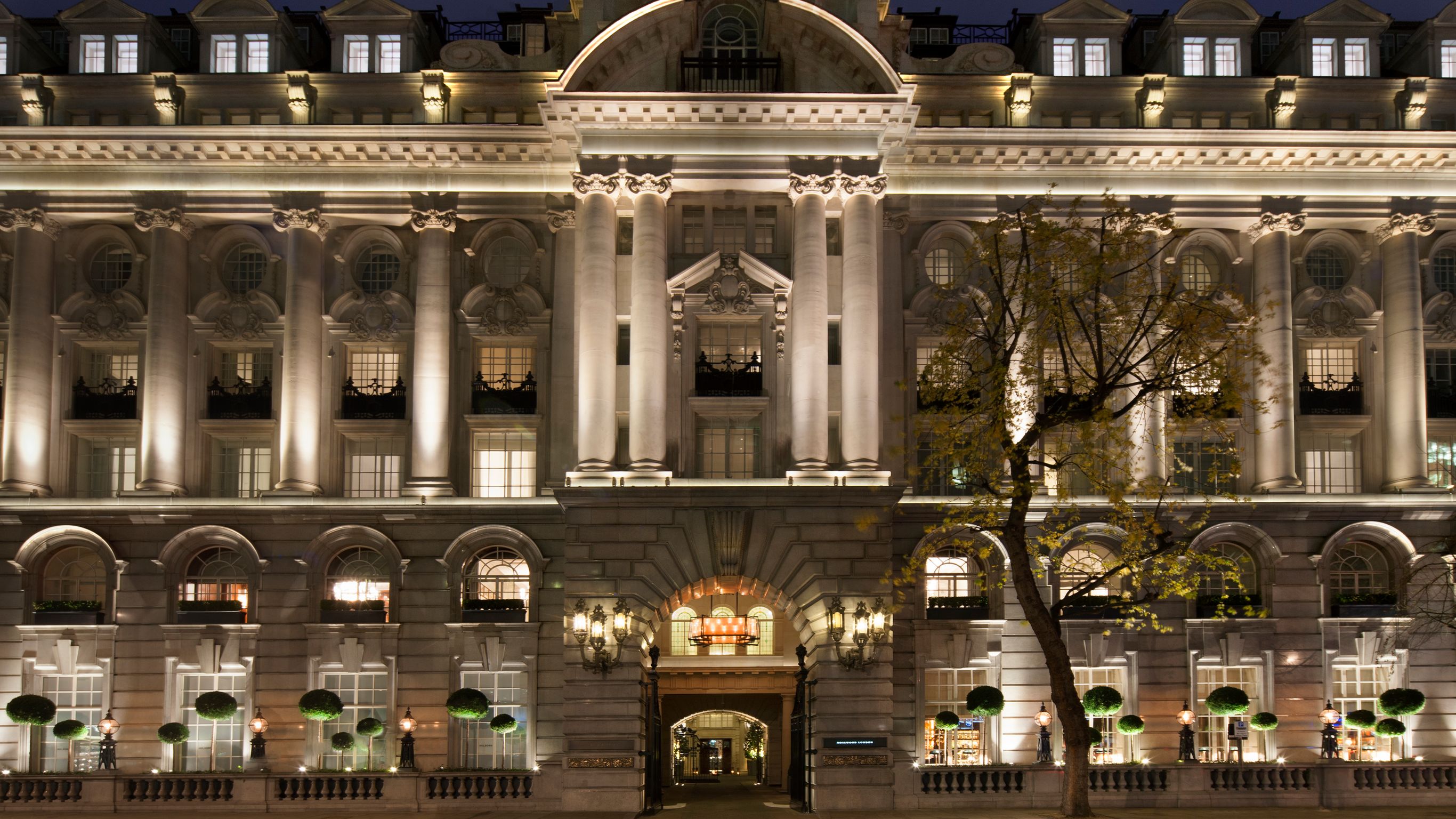
Of the accessible hotels in London, hotels like Rosewood London offer superb accessibility with thoughtfully designed rooms and amenities tailored for all types of needs, from mobility to sensory.
These places don’t just meet the minimum standards; they go above and beyond to ensure comfort and ease for all guests.
By focusing on these examples, we can learn what truly accessible hotels look like and seek out similar qualities in accommodations wherever we travel. It’s all about knowing where to look and what to expect, so you can spend less time worrying about logistics and more time enjoying your adventure.
Preparing for Your Stay at an Accessible Hotel
Even when you’ve done your homework and booked the perfect accessible hotel, a little prep can make your stay even smoother. Here’s how to set yourself up for success:
Pack for Success
Hotels don’t always get it 100% right, so pack those essentials that make life easier—like a portable ramp, noise-canceling headphones for travel, shower chair, a sensory travel kit, or even a noise machine if you’re sensitive to sound. You’ll thank yourself when things run smoothly.
Confirm Accessibility at Check-In
When you arrive, take a few minutes to make sure your room matches what you were promised. Is the shower actually roll-in? Are the grab bars where they should be? Does the room location work for your needs? It’s better to catch any issues upfront than deal with them later.
Traveling With Kids or Groups
If you’re traveling with family or friends, make sure everyone’s needs are covered. Whether that’s accessible rooms close together or shared spaces everyone can enjoy, a little planning goes a long way.
With a few extra steps before and during your trip, you’ll be ready to enjoy your stay without the stress of surprises. Because let’s be real, travel should be about making memories—not scrambling to fix problems.
Confidently Book Your Accessible Hotel Today
Finding and booking truly accessible hotels doesn’t have to feel like an uphill battle. With the right strategies—like researching reviews, verifying features directly with the hotel, and using accessibility-focused booking tools—you’re equipped to make informed decisions that meet your unique needs.
Whether it’s avoiding those frustrating raised entryways or securing a peaceful, sensory-friendly room, these tips are here to help you travel with ease.
Remember, accessible travel isn’t just possible—it’s essential. With a little preparation and the right mindset, you can turn challenges into adventures and create incredible memories. Want more tips? Join Phoenyx Travels today and subscribe to get the best accessibility tips delivered straight to your inbox!
Now go out there and make it happen—you’ve got this!
More Accessible Travel Posts
Disclosure: Phoenyx Travels contains affiliate links and Phoenyx Travels is a member of the Amazon Services LLC Associates Program. Meaning Phoenyx Travels receives commissions for purchases made through those links, at no cost to you. Please understand that we have experience with all of these companies, and recommend them because they are helpful and useful, not because of the small commissions we make if you decide to buy something. See our Affiliates and Disclaimers Policy and Privacy Policy for more info.


