
✈️ Top 5 Accessible Airlines Ranked by a Disabled Traveler

You can do everything right. Request assistance. Arrive early. Double check your flight.
And still end up waiting for a wheelchair that never shows, navigating a bathroom you can’t safely use, or dealing with staff who clearly weren’t trained for what you need.
I’ve been on both sides of it—flights where everything worked exactly how it was supposed to, and flights where one delay turned into a chain reaction that left me stuck without food, water, or a way to even get to my next gate.
After years of flying with a wheelchair, a prosthetic, and constantly changing mobility needs, I’ve learned something most articles won’t tell you:
There is no “best” airline. But there are airlines that are less likely to make your travel day worse—and which one that is depends entirely on what you need.
So instead of ranking accessible airlines based on marketing or generic reviews, I’m breaking down where each one actually works… and where it falls apart.
What Are the Most Accessible Airlines for Disabled Travelers?
Disclosure: Phoenyx Travels contains affiliate links and Phoenyx Travels is a member of the Amazon Services LLC Associates Program. Meaning Phoenyx Travels receives commissions for purchases made through those links, at no cost to you. Please understand that we have experience with all of these companies, and recommend them because they are helpful and useful, not because of the small commissions we make if you decide to buy something. See our Affiliates and Disclaimers Policy and Privacy Policy for more info.
If you’re looking for the most accessible airlines for disabled travelers, here’s the reality:
No airline gets everything right. Each one is better at a different part of the journey—whether that’s airport assistance, onboard comfort, or handling mobility devices.
Based on real experience, DOT data, and accessibility research, here are the best accessible airlines right now:
- Delta Air Lines → best for airport assistance
- Alaska Airlines → best for mobility device handling
- Southwest Airlines → best for domestic travel
- United Airlines → best onboard experience
- JetBlue → best overall customer experience
The key isn’t choosing “the best airline.” It’s choosing the one that’s least likely to fail you in the area that matters most for your trip.
Like the Post? Save it for Later!

1. Delta Air Lines: Best for Airport Assistance
I’ve had completely opposite experiences with Delta—and that’s exactly why it ranks high for accessibility but still comes with risk.
On one trip to Ireland, everything worked perfectly. Assistance was seamless, staff were kind, and I even had a full row to myself.
On another trip through Ireland, the UK, and France? Total disaster. We were stuck on the tarmac for 4.5 hours. Flight attendants made comments about my prosthetic. My luggage, with essential medical supplies, was lost for the entire trip.
The compensation? $150. That’s the reality of accessible airlines: even the best can fail hard.
What Works (and What Doesn’t)
- ✅ Reliable wheelchair assistance
- ✅ Lower mishandling rates than most major carriers
- ✅ Lower complaint rates relative to size
- ✅ On-time performance sits around 84% in 2023, which matters more than people realize when you’re relying on assistance to move through the airport
- 🚫Onboard accessibility inconsistencies
- 🚫Bathroom limitations
What This Means for You
Strong airport experience, but plan ahead for the flight itself
Best For
- Travelers needing consistent assistance through the airport
What the Numbers Say… and What They Don’t
- 0.84% mishandling rate(2023)
- ~1,700+ devices mishandled
- Part of 1M+ mobility devices transported annually
- Delta has also publicly outlined accessibility services and training initiatives
- Like every airline, that doesn’t guarantee consistency once you’re actually onboard.
- 👉 Does NOT measure: bathrooms, staff behavior, delays

2. Alaska Airlines: Best for Mobility Device Handling
If your biggest concern is your wheelchair or equipment getting damaged, Alaska Airlines is one of the safer bets. You just don’t hear the same volume of horror stories compared to other airlines. It’s not perfect, but it’s more consistent. The downside is simple. If you’re not on one of their routes, you’re out of luck.
While I haven’t personally flown Alaska Airlines with my current accessibility needs, it consistently comes up in data and among disabled travelers as one of the most reliable airlines for mobility device handling.
And when it comes to flying with a wheelchair or equipment, that’s one of the biggest risks. From my experience, damage to mobility equipment isn’t just inconvenient—it can completely derail a trip or leave you without independence.
What Works (and What Doesn’t)
- ✅ One of the lowest mishandling rates in the U.S.
- ✅ Strong operational consistency
Where It Falls Short
- 🚫 Limited routes
- 🚫 Less long-haul coverage
What This Means for You
Best odds of your equipment arriving safely
Best For
- Wheelchair and mobility device users
What the Numbers Say… and What They Don’t
- 0.76% mishandling rate(2023)
- Fewer breakdowns in handling systems overall
- 👉 Does NOT measure: assistance timing, onboard usability

3. Southwest Airlines: Most Consistent for Domestic Travel
Southwest Airlines is consistently my go-to for flying domestically here in the U.S. Raleigh-Durham International Airport (RDU) is my local hub with Southwest being one of two in Terminal 1, the security screening area is much smaller and thus much easier to get through.
Whenever I request assistance, it is always there through the airport and on the plane. I have only ever had one instance that was unfavorable with them when I had to wait 30 minutes for assistance with my wheelchair throughout the airport.
They made it right and offered me a $100 voucher which was totally unexpected, but appreciated.
What Works (and What Doesn’t)
- ✅ High volume = tested systems
- ✅ Predictable processes
- 🚫 Staffing variability
- 🚫 Airport-dependent delays
What This Means for You
More consistent overall, but not the strongest performer
Best For
- U.S. Domestic travel
What the Numbers Say… and What They Don’t
- 1.38% mishandling rate(2023)
- 240,000+ mobility devices handled (highest in U.S.)
- 👉 Does NOT measure: wait times or staffing delays
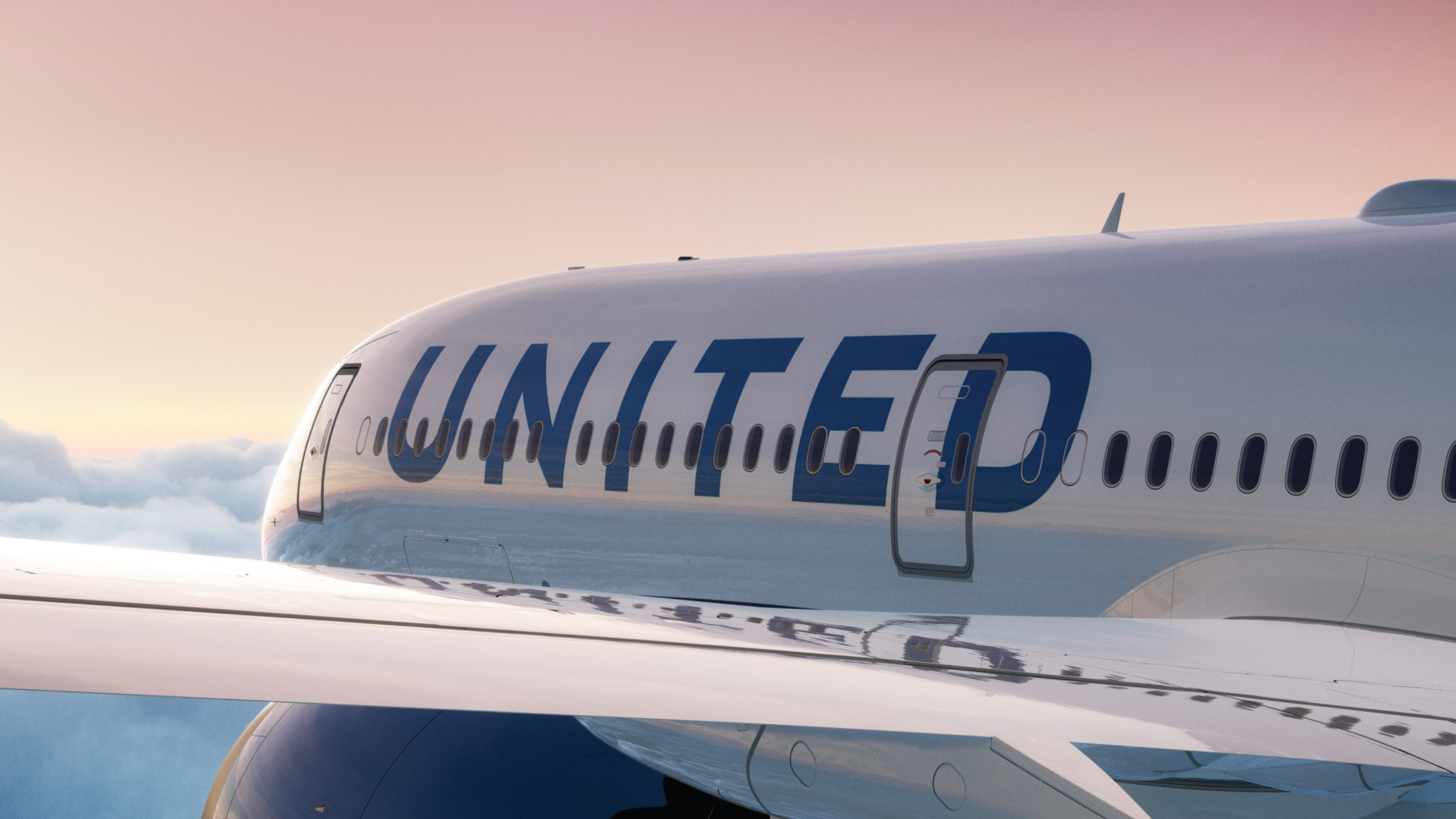
4. United Airlines: Best Onboard Experience
Since becoming an amputee with sensory and energy issues, I have flown United a handful of times. The most recent experience is the only one I can recall though (thanks short term memory).
My last flight from Raleigh, NC to Durango, CO had quite the variety of experiences. The wheelchair I requested for transport through the connecting and arriving airports failed me at every turn.
I had an extremely tight layover both times I went through the Denver airport with wheelchair assistance not showing up at all on the way there to assistance being downright rude and terrible on the way back.
After making a video about the wheelchair assistance issues, United reached out to me to apologize for the issues as well as find a way to make it right which honestly means so much to me.
However, the onboard experience was a totally different story. Helpful flight attendants, large restrooms, and bulkhead seating made the flight extremely comfortable and easy.
What Works (and What Doesn’t)
- ✅ More usable onboard space
- ✅ Better flight experience
- 🚫 Assistance delays
- 🚫 Connection timing
What This Means for You
Better on the plane than getting to it
Best For
- Long-haul flights
What the Numbers Say… and What They Don’t
- 1.52% mishandling rate (2023)
- 3,000+ devices affected
- 👉 Reflects coordination gaps, not onboard comfort
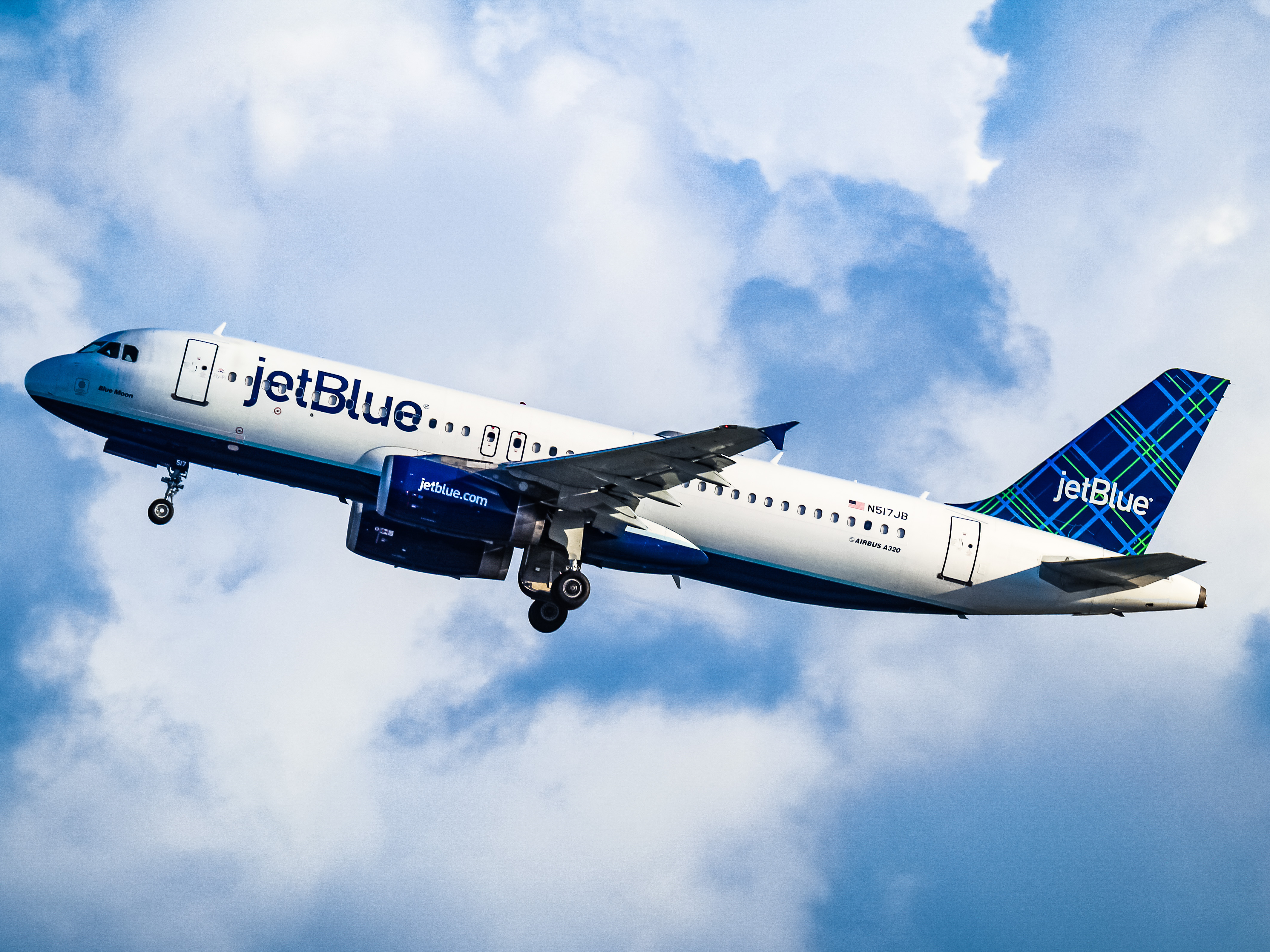
5. JetBlue: Best Overall Customer Experience
JetBlue is one of those airlines where things just feel less chaotic.
Communication is usually clearer, and staff interactions tend to feel more human. You’re not constantly fighting to be seen or heard. The trade-off is that there’s less hard data to back it up, so you’re leaning more on experience than numbers.
(Disclaimer: I have not flown this airline since having accessibility needs, but I have done thorough research)
What Works (and What Doesn’t)
- ✅ High customer satisfaction
- ✅ Strong service reputation
- 🚫 Less transparent operational data
- 🚫 Smaller network
What This Means for You
Feels better—but harder to quantify
Best For
- Domestic travelers prioritizing service
What the Numbers Say… and What They Don’t
- Around 1.1% mishandling rate(2023)
- 👉 Strong performance in service rankings, but not captured in DOT metrics
✈️ Airlines That Are Improving or More Variable
Not every airline makes the top list—but that doesn’t mean they’re not worth considering. These airlines are either actively improving accessibility or have experiences that vary depending on the airport, aircraft, or crew.
1. American Airlines: Improving, But Still Inconsistent
American Airlines hasn’t exactly had a smooth track record when it comes to accessibility. Over the past few years, the airline has faced repeated complaints around wheelchair damage, delayed assistance, and how disabled passengers were treated during travel.
That all came to a head in 2024 when the U.S. Department of Transportation issued a $50 million penalty tied to these issues, forcing real changes instead of surface-level fixes.
American is clearly trying to fix what went wrong, and some of the changes are actually meaningful. They’ve rolled out a Bluetooth tracking system for wheelchairs and mobility devices, expanded hands-on staff training, and improved digital accessibility so booking and managing assistance is easier.
They’re also adding more structured support like Special Assistance Coordinators and testing tech to reduce missed connections. These updates come after a major DOT settlement, so the push is very much a response to past issues, not random innovation.
My best experience with them? I had just had my ankle replacement surgery and still needed intravenous medication that I had to go through TSA with. Not only did that process go smoothly with a doctor’s note, but the team legit ran me with my wheelchair from gate to gate during my tight connections.
What Works (and What Doesn’t)
- ✅ Major investment in accessibility improvements
- ✅New training and handling protocols
- ✅Increased industry oversight
- 🚫 Higher mishandling rates than competitors
- 🚫 Inconsistent service across airports
What This Means for You
Better than it used to be—but still not something you can rely on without a backup plan
Best For
- Routes with limited airline options
- Travelers willing to plan ahead
What the Numbers Say… and What They Don’t
- 1.74% wheelchair and scooter mishandling rate (2023)
- 4,000+ devices affected, one of the higher rates among major airlines.
- It also received a $50 million DOT penalty tied to disability-related violations, including wheelchair handling and assistance failures.
- 👉They’re investing heavily in improvements now—but this data reflects why consistency is still catching up.
2. Air France: Accessibility Depends on the Airport
My experience with Air France was one of those trips where you realize very quickly how fragile the whole system is. I ended up in areas I definitely wasn’t supposed to be in, left waiting in employee corridors with no clear direction, and at one point had to figure out how to get up multiple flights of stairs just to reach the aircraft.
It wasn’t just inconvenient, it felt unsafe. And that’s the difference. When accessibility breaks down internationally, it doesn’t just slow you down, it can completely derail your ability to move through the airport at all.
With Air France, it really comes down to the airport. If everything is coordinated well, it works. If it’s not, things can fall apart fast. Larger international hubs add more moving parts, and when accessibility breaks down there, it’s not a small inconvenience. It can derail your entire day.
What Works (and What Doesn’t)
- ✅ Accessibility varies heavily by airport
- ✅ Complex hubs (like CDG) create more risk points
- 🚫 Inconsistent assistance coordination
- 🚫 Boarding challenges depending on aircraft
What This Means for You
This is less about the airline—and more about the airport you’re flying through
Best For
- Direct flights through well-supported airports
- Travelers with flexibility and buffer time
What the Numbers Say… and What They Don’t
Unlike U.S. airlines, Air France does not publish comparable accessibility metrics like wheelchair mishandling rates through a centralized system like the DOT.
What that means is there’s less transparency, and your experience will depend far more on the airport and ground staff than any published data.
3. Air Canada: Strong Policies, Mixed Execution
On paper, Air Canada looks solid. The policies are there and the structure makes sense. In practice, it can feel very different depending on where you are. Some trips are smooth, others feel disorganized. It’s not something you can assume will be consistent from one flight to the next.
(Disclaimer: I have not flown this airline since having accessibility needs, but I have done thorough research)
What Works (and What Doesn’t)
- ✅ Formal accessibility programs
- ✅ Regulated under Canadian transportation standards
- 🚫 Execution varies by airport
- 🚫 Assistance reliability can fluctuate
What This Means for You
The policies look solid—but real-world experiences don’t always match
Best For
- Travelers familiar with Canadian airport systems
- Routes with strong airport infrastructure
What the Numbers Say… and What They Don’t
Canada regulates accessibility through national standards, but airline-specific mishandling data is not published in the same way as U.S. DOT reports.
That makes it harder to compare directly—and means you’re relying more on policy than performance data.
4. Emirates: Strong In-Flight Support, Less Predictable on the Ground
My experience with Emirates was before my amputation, but after my accident when my leg was basically useless and I was also dealing with bronchitis. It was my first time flying business class, and on paper, it was incredible.
More space, better service, actual room to breathe. But I was so sick and uncomfortable that I couldn’t fully appreciate any of it. It did show me what a difference space and support can make, but also that no level of luxury fixes it if your body is already struggling.
Once you’re on the plane, Emirates is usually a much better experience. More space, better service, and fewer issues during the flight itself. Getting there is where it can get unpredictable. Airport assistance depends heavily on location, and that part of the experience is not always as polished.
(Disclaimer: I have not flown this airline since having amputation, but I have experience flying with them)
What Works (and What Doesn’t)
- ✅ High service standards
- ✅Strong long-haul support
- ✅Better onboard accommodations
- 🚫 Airport experience varies globally
- 🚫 Limited comparable public data
What This Means for You
The flight itself is often the easiest part—the airport is where unpredictability comes in
Best For
- Long-haul international travel
- Travelers prioritizing onboard comfort
What the Numbers Say… and What They Don’t
Emirates does not publish DOT-style accessibility data, so there are no comparable mishandling percentages available.
Its reputation is based more on service quality than measurable accessibility performance which means expectations should still account for variability.
How to Choose the Right Accessible Airline for Your Needs
The “best” accessible airline depends on what part of travel is hardest for you.
Here’s how to decide:
- If you need reliable wheelchair assistance → choose Delta
- If your biggest concern is equipment damage → choose Alaska
- If onboard comfort matters most → choose United
- If you want the most balanced experience → choose JetBlue
- If you’re flying domestic and want simplicity → choose Southwest
Think about where your biggest risk is: the airport, the flight itself, or your equipment. Then choose the airline that performs best in that area.
Why Airline Accessibility Feels So Inconsistent

If flying with a disability feels unpredictable, it’s because it is. Not in a “travel is chaotic” kind of way, but in a “this system was never really designed to work smoothly for you” kind of way.
The first thing to understand is that the airline you book is not always the one actually helping you.
A lot of wheelchair assistance is handled by airport staff or third-party contractors, which means your experience can change completely depending on where you are.
You can fly the same airline twice and have two completely different days.
Then there’s the aircraft itself. Accessibility does not automatically come with the airline name on your ticket. It depends on the specific plane you end up on. One flight might work just fine, and the next can make something as basic as getting to the bathroom feel nearly impossible.
Even when everything goes right, most of what gets labeled as “accessible” still relies on assistance, not independence. You are depending on other people to move through the airport, board the plane, and get settled. When timing slips or communication breaks down, everything else tends to follow.
That’s why there is no airline that gets it right every time. You are not booking perfection. You are trying to avoid the biggest points of failure and set yourself up for the smoothest experience possible.
If This Is Your Situation, Here’s What I’d Do
Wheelchair Users
- Prioritize airport support
- Avoid tight connections
Ambulatory / Prosthetic Users
- Prioritize onboard comfort
- Be aware of bias
Chronic Illness, Fatigue, or TBI
- Minimize total travel time
- Build in recovery
Traveling With Kids + Accessibility Needs
- Simplicity > “best airline”
- Fewer connections
✅ What to Check Before Booking Any Flight
Before you even hit “book,” there are a few things that matter way more than the airline name on your ticket.
Aircraft type
The first is the aircraft you’re flying on. Accessibility is tied to the plane, not the airline, which means two flights on the same airline can feel completely different. Things like bathroom access, space, and how easy it is to move around all depend on that specific aircraft, so it’s worth checking before you commit.
Layovers
Layovers are the next big one. What looks like enough time on paper often isn’t when you factor in wheelchair assistance, distance between gates, and how long it can take to get off the plane. Giving yourself more time than the minimum isn’t being overly cautious, it’s being realistic.
Airport quality
The airport itself also plays a bigger role than most people expect. Some airports are set up to handle accessibility well, and others make even simple things feel unnecessarily difficult. Even if you choose the right airline, a poorly run airport can still make the whole experience harder than it needs to be.
Confirm assistance
And finally, always confirm your assistance ahead of time. Selecting it during booking doesn’t guarantee it’s been properly arranged, and it’s not something you want to find out at the gate. Following up might feel like overkill, but it can save you from a lot of unnecessary stress later.
What to Do If an Airline Fails You
If something goes wrong, and it probably will at some point, the biggest mistake you can make is staying quiet and hoping it sorts itself out. This is one of those situations where you have to advocate for yourself early, not after everything has already fallen apart.
None of this should be necessary, but knowing what to do in the moment can make a bad situation a lot less overwhelming.
Ask for a Complaint Resolution Official (CRO)
Start by asking for a Complaint Resolution Official, also called a CRO, while you are still at the airport. Every airline is required to have one available, and they are trained specifically to handle disability-related issues.
If something isn’t being handled correctly, this is the person who can actually step in and fix it in real time instead of sending you in circles later.
Document everything
At the same time, document everything. Take photos, keep your boarding passes, and write down names, times, and what happened. It feels like a lot in the moment, but if you need to escalate things later, those details matter more than you think.
File a DOT complaint if needed
If the situation still isn’t resolved or it’s something more serious, you can file a complaint with the U.S. Department of Transportation. That process holds airlines accountable in a way that customer service alone doesn’t, especially when it comes to accessibility violations.
Frequently Asked Questions About Airline Accessibility
Still have questions? These are the things most people don’t realize until they’re already at the airport—so let’s clear them up now.
1. Which airline has the most reliable wheelchair assistance?
The airline with the most reliable wheelchair assistance is usually Delta or Southwest, but reliability still depends heavily on the airport and staffing that day. Even the best airlines can miss requests or delay pickups. Always build in extra time and confirm your assistance ahead of your flight.
2. Are airplane bathrooms actually accessible for disabled passengers?
Airplane bathrooms are rarely truly accessible for disabled passengers, especially on smaller or older aircraft. Even when labeled “accessible,” space is extremely limited and can be difficult to navigate safely. If bathroom access matters, check the aircraft type before booking and prioritize larger, wide-body planes when possible.
3. How much time should I allow between connecting flights with a disability?
The amount of time you should allow between connecting flights with a disability is more than the airline minimum—aim for at least 90 minutes to two hours. Wheelchair delays and airport logistics can slow everything down. Short layovers are one of the biggest reasons disabled travelers miss flights.
4. What should I do if my wheelchair assistance doesn’t show up?
If your wheelchair assistance doesn’t show up, notify a gate agent immediately and ask for help or a Complaint Resolution Official if needed. Delays happen more often than they should, so don’t wait quietly. Document the situation and advocate early to avoid missing your flight.
5. Is flying first class better for accessibility?
Flying first class is often better for accessibility because it offers more space, easier transfers, and less crowded conditions. However, it doesn’t fix issues like missing wheelchair assistance or inaccessible bathrooms. It improves comfort, but it doesn’t guarantee a fully accessible experience.
Make Your Next Flight Easier
Choosing the right airline is a big part of the puzzle, but it is not the whole thing. Even the “best” option can still fall apart if the rest of your travel day is not set up in a way that actually supports you.
Once you’ve picked your accessible airline, the next step is making sure everything around that flight is working in your favor. Things like timing your assistance, organizing what you need access to, and knowing how to handle problems before they happen make a bigger difference than most people expect.
If you want a step-by-step way to do that without having to piece it together yourself, start with my 📝Accessible Flight Prep Checklist linked below. It walks you through exactly what to do before travel day so you’re not figuring it out in the middle of the airport when everything already feels chaotic.
And if you want the full system I use to plan flights from start to finish, the ✈️Flight Ready Travel Kit takes it a step further and helps you manage the entire process without the overwhelm and you can use it for every flight!


