
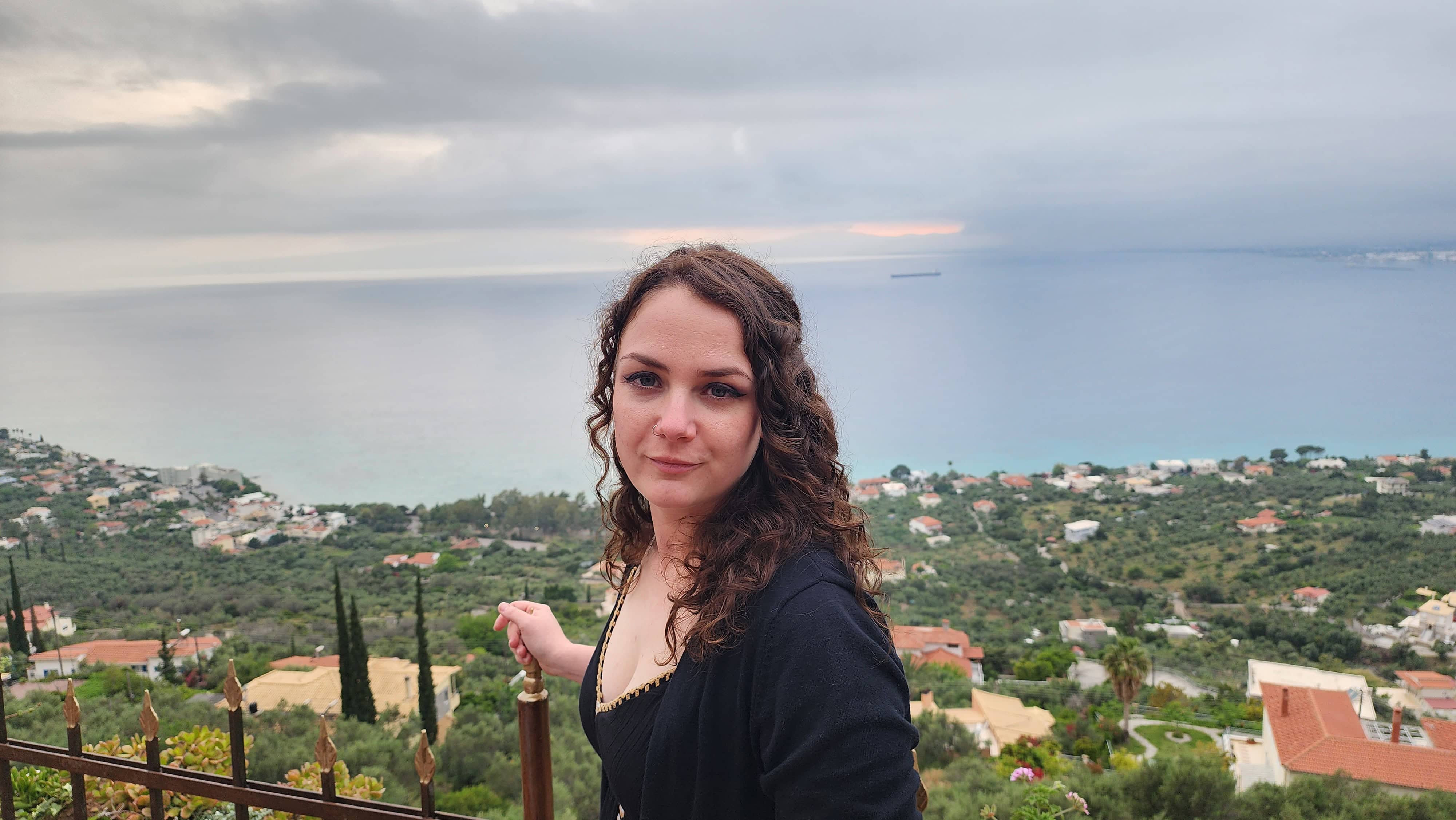
Empower Your Journey: Solo Travel with a Disability

Solo travel is one of the most empowering things you can do. It’s about discovering the world on your own terms and proving to yourself (and maybe a few skeptics) that you’re capable of more than they ever thought.
Being diagnosed with a disability isn’t a death sentence, even though it can feel like it at times. We can still do nearly everything an able-bodied person can do, just with a few adaptations and some planing.
For those of us with disabilities, it might seem like a daunting challenge, but with the right planning, mindset, and a little determination, traveling solo is worth it and 100% doable..
The Benefits of Solo Travel
Disclosure: Phoenyx Travels contains affiliate links and Phoenyx Travels is a member of the Amazon Services LLC Associates Program. Meaning Phoenyx Travels receives commissions for purchases made through those links, at no cost to you. Please understand that we have experience with all of these companies, and recommend them because they are helpful and useful, not because of the small commissions we make if you decide to buy something. See our Affiliates and Disclaimers Policy and Privacy Policy for more info.
Traveling solo as a person with a disability isn’t just about seeing new places—it’s about proving to yourself that you’re capable of so much more than society might assume. It’s an opportunity to grow, build confidence, and break free from the idea that adventure isn’t for you.
The best part? You get to set your own pace and explore the world exactly how you want to.
1. Gaining Independence and Confidence
There’s something magical about navigating the world solo. It forces you to rely on yourself, solve problems, and adapt to whatever comes your way.
Every small victory—like figuring out accessible public transport or finding the perfect spot for lunch—adds to your confidence and independence.
2. Breaking Barriers and Stereotypes
Traveling alone with a disability isn’t just about proving something to yourself—it’s about showing the world that adventure doesn’t have a one-size-fits-all model.
When you’re out there exploring, you’re not just breaking your own barriers; you’re also smashing stereotypes and inspiring others to do the same.
Planning Your Accessible Adventure
Planning your accessible adventure is all about creating a trip that works for you. From choosing disability-friendly destinations to packing the essentials, preparation is key to making your journey smooth and enjoyable.
With the right tools and mindset, you can take the stress out of travel and focus on the joy of exploring.
1. Choosing Accessible Destinations
Start with research (and lots of it).
Some destinations are better equipped for accessibility than others. Look for places with solid public transportation, ADA-compliant accommodations, and attractions that are friendly to varying mobility needs.
Tools like accessible travel guides and apps can save you hours of guesswork.
2. Creating an Itinerary That Works for You
Balance is key. Plan a mix of activities that excite you and downtime to recharge.
Remember, this is your trip, and it doesn’t have to be jam-packed with things to do—prioritize what truly sets your soul on fire.

Another pro tip: Make sure accommodations and transportation fit your accessibility requirements to avoid stress later.
Look at pictures and research the hotel to see if they are truly accessible for your individual needs.
3. Packing Essentials for Accessible Travel

Think light but smart. Pack your adaptive equipment, medications, and anything else you rely on for comfort and mobility. Backup items like extra batteries or spare parts for mobility aids can be lifesavers.
The goal is to feel prepared without dragging your entire house with you.
Navigating Challenges
Challenges are inevitable when traveling alone, but they don’t have to derail your adventure. With a bit of preparation, a flexible attitude, and a dash of problem-solving, you can navigate any hiccup that comes your way.
Every challenge you overcome becomes a story of resilience and a reminder of your strength.
1. Dealing with Unexpected Situations
Let’s face it: things won’t always go according to plan.
Like that time I got so lost in Ireland I was crying while my car ended up in a field surrounded by cows and sheep with the farmer checking to see if I was okay.
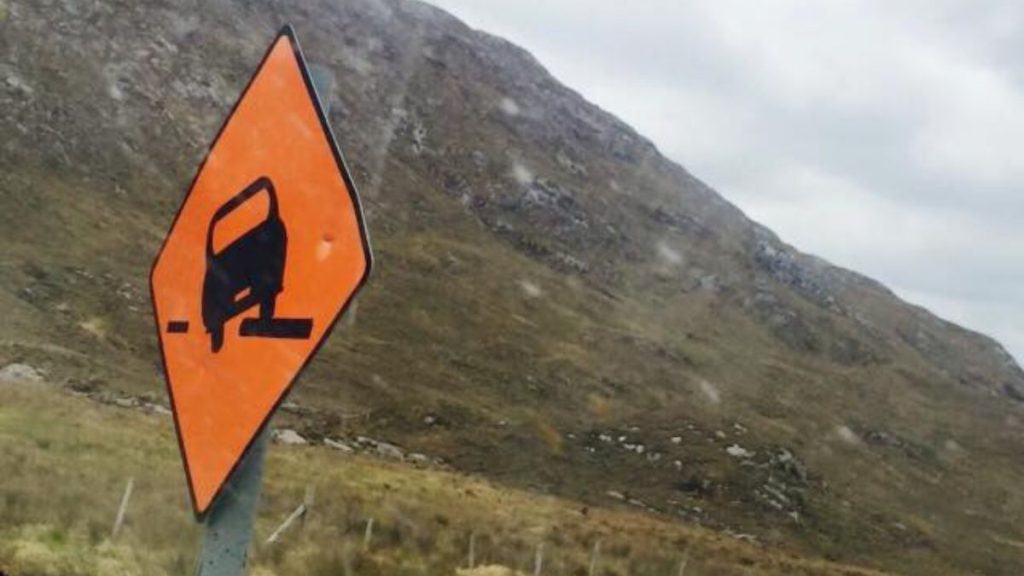
But that’s okay.
Unexpected challenges are part of the journey, and they’re where you’ll grow the most.
Stay calm, think on your feet, and don’t hesitate to ask for help when needed—most people are more than happy to assist.
2. Safety Tips for Traveling Solo
Safety first, always. Share your itinerary with someone you trust, and check in regularly. Apps that let you share your location or send emergency alerts can be game-changers.
Most importantly, trust your instincts—if something feels off, it probably is.
3. Advocating for Your Needs
Confidence is your best tool when traveling solo. Clearly communicate your accessibility requirements, whether it’s at a hotel, restaurant, or public transport.
If you’re in a non-English-speaking country, learn key phrases or use translation apps to make your needs understood.
Resources for Solo Travel
Having the right resources can be a total game-changer when it comes to solo travel with a disability. From insightful travel blogs to handy apps and supportive organizations, there’s so much out there to make your journey easier and way more enjoyable.
Think of these resources as your personal travel toolkit, packed with everything you need to plan, navigate, and make the most of your adventure.
1. Accessible Travel Blogs and Communities
Join the conversation with like-minded travelers by exploring blogs like Curb Free with Cory Lee or connecting with communities on social media.
These platforms offer firsthand advice, destination guides, and plenty of inspiration.
2. Disability-Friendly Travel Apps and Tools
Apps can make your life on the road so much easier. Look for ones that provide information on accessible facilities, public transport, and local attractions. Think of them as your pocket-sized travel buddy.
Not sure which ones to download? I have made a list of the Best Accessible Travel Apps.
3. Organizations Supporting Disabled Travelers
Organizations like Mobility International USA are fantastic resources, offering travel tips and even exchange programs for travelers with disabilities.
A quick search will uncover a wealth of support tailored to your needs.
Frequently Asked Questions about Traveling Alone
Remember, solo travel with a disability is totally doable with the right mindset and tools. You’re more capable than you think, and the world is waiting for you to explore it!
1. Is it safe to travel alone with a disability?
Absolutely! With the right prep and a few precautions, solo travel with a disability can be an empowering and rewarding experience. Research your destination ahead of time, focus on accessibility features, and always have a backup plan. Safety starts with good preparation.
2. How do I find accessible accommodations when traveling solo?
Use specialized booking platforms like Handiscover or filter options on major sites like Booking.com. Always double-check accessibility features by calling the hotel directly—it’s worth the peace of mind. Reading reviews from other travelers with disabilities can also help you avoid surprises.
3. What should I do if I encounter accessibility issues during my trip?
First, breathe—you’ve got this. Reach out to local authorities, disability organizations, or even the hotel staff for assistance. Having a list of emergency contacts or local resources handy can make all the difference when things don’t go as planned.
4. Are there travel agencies that specialize in trips for individuals with disabilities?
Yes! Agencies like Wheel the World are all about making trips accessible and stress-free. They handle the tricky details so you can focus on enjoying your adventure.
5. How can I prepare for medical needs while traveling alone?
Preparation is key. Pack more than enough medication, bring along your prescriptions just in case, and research local medical facilities at your destination. Travel insurance that covers health needs is also a must-have—better safe than sorry.
Do It! You’ll Be Thankful You Did
Solo travel with a disability isn’t just a journey through the world—it’s a journey to finding yourself. Yes, it takes planning, patience, and perseverance, but the rewards are worth every bit of effort.
So pack your bags, embrace the unknown, and prove to yourself just how capable you are. Your story matters, and your adventures will inspire others to take their first steps toward independence and exploration.
Have you tried solo travel with a disability? Share your experiences or feel free to ask questions about it in the comments below!
And if you’re looking for more tips and inspiration, don’t forget to subscribe to my newsletter below—I’d love to have you along for the journey.


