

The Lost Colony of Roanoke: Or Is It?

The Lost Colony of Roanoke has fascinated historians, storytellers, and curious minds for centuries. A settlement vanishes, cryptic carvings are left behind, and a host of theories emerge—but no clear answers.
If you love a good mystery (and who doesn’t?), the story of Roanoke is like something straight out of a thriller, except it’s very real and still unsolved.
Let’s dive into what we know about the Lost Colony, what might have happened, and why it still captures our imaginations to this day.
The Beginning of the Roanoke Colony
Disclosure: Phoenyx Travels contains affiliate links and Phoenyx Travels is a member of the Amazon Services LLC Associates Program. Meaning Phoenyx Travels receives commissions for purchases made through those links, at no cost to you. Please understand that we have experience with all of these companies, and recommend them because they are helpful and useful, not because of the small commissions we make if you decide to buy something. See our Affiliates and Disclaimers Policy and Privacy Policy for more info.
In 1587, John White led about 115 English settlers to Roanoke Island, which is part of modern-day North Carolina. These settlers, sent by Sir Walter Raleigh, were tasked with creating a permanent English colony in the New World.
One of the most notable settlers was Virginia Dare, John White’s granddaughter, who holds the title of being the first English child born in America. It was supposed to be a fresh start, full of promise and opportunity, but things quickly took a turn.
The Disappearance
Shortly after establishing the colony, John White returned to England to gather supplies. Unfortunately, a little thing called the Anglo-Spanish War got in the way, delaying his return. By the time he finally made it back to Roanoke in 1590—three years later—the colony was completely deserted.

What was left behind?
- The word “CROATOAN” carved into a palisade.
- The letters “CRO” etched into a tree.
There was no sign of struggle, no bodies, no obvious clue to what had happened. The only thing White could think was that the colonists had moved to Croatoan Island (now Hatteras Island), home to the friendly Croatoan tribe.
Unfortunately, storms forced White to abandon his search, and he never got the answers he so desperately sought.
The Theories: What Happened to the Lost Colony?
The mystery of Roanoke has sparked countless theories over the years. Here are the most popular explanations:
1. The Colonists Integrated with Native Tribes
One of the most widely accepted theories is that the settlers joined the Croatoan tribe. This makes sense, considering the carvings and the colonists’ need for food and shelter. Later reports from explorers claimed to see Native Americans with European features, fueling this idea.
2. They Relocated Inland
Another theory suggests the colonists didn’t stay on Roanoke Island but instead moved inland, possibly to the Chowan River basin. Archaeological evidence, like pieces of European pottery, has been discovered in these areas, hinting that some settlers may have relocated.
3. Hostile Conflict with Other Tribes
While the Croatoans were allies, not all Native tribes were friendly toward the colonists. Some historians believe the settlers may have been attacked or captured by other tribes in the region. However, the lack of evidence of a struggle keeps this theory from being conclusive.
4. The Spanish Destroyed the Colony
At the time, Spain and England were at war, and Spain had a vested interest in halting English expansion. Some speculate that Spanish forces might have wiped out the colony, though there’s little concrete evidence to support this theory.
5. Starvation or Disease
Life in the New World was tough, and the colonists may have simply succumbed to hunger, disease, or harsh weather. Without sufficient supplies or help, their chances of survival were slim.
Recent Discoveries about the Lost Colony of Roanoke
In recent years, archaeologists have been working hard to solve the Roanoke mystery.
Artifacts on Hatteras Island
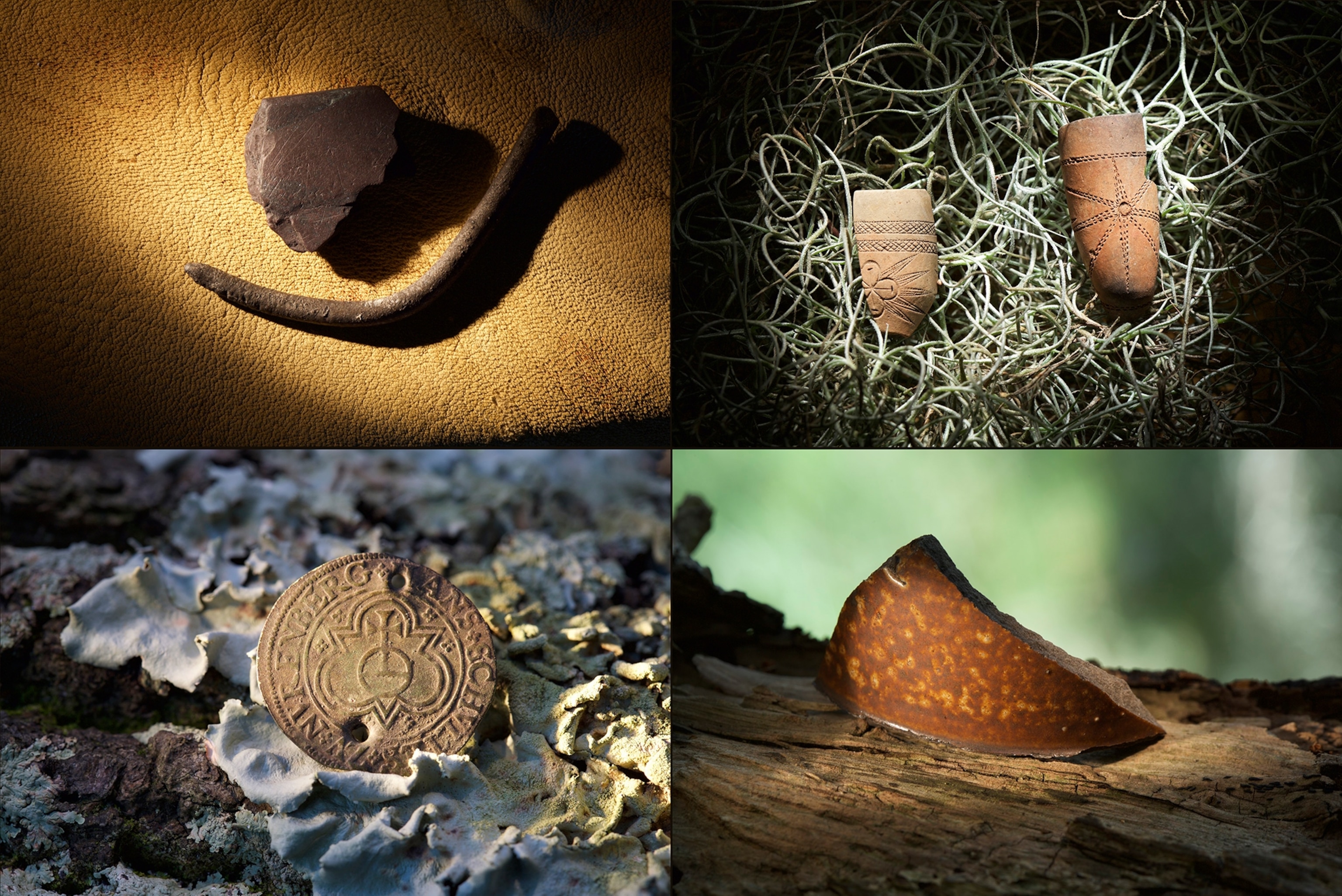
Pieces of English pottery and tools have been discovered, which could suggest that the colonists did integrate with the Croatoan tribe.
“Site X” Discoveries

Excavations near the Chowan River revealed European items dating back to the late 1500s, adding weight to the theory that some settlers relocated inland.
While these findings are exciting, the truth behind the Lost Colony remains elusive.
Visiting Roanoke Island Today
If you’re like me and can’t resist seeing a historical mystery up close, Roanoke Island is absolutely worth a visit.
1. The Lost Colony Outdoor Drama

Every summer, a live performance brings the mystery of Roanoke to life.
Get your tickets here!
2. Fort Raleigh National Historic Site

This site preserves the area where the colony once stood, and you can explore exhibits, trails, and artifacts from the time.
Our littlest one loves learning more about each national park with the park rangers at each location.
3. Hatteras Island
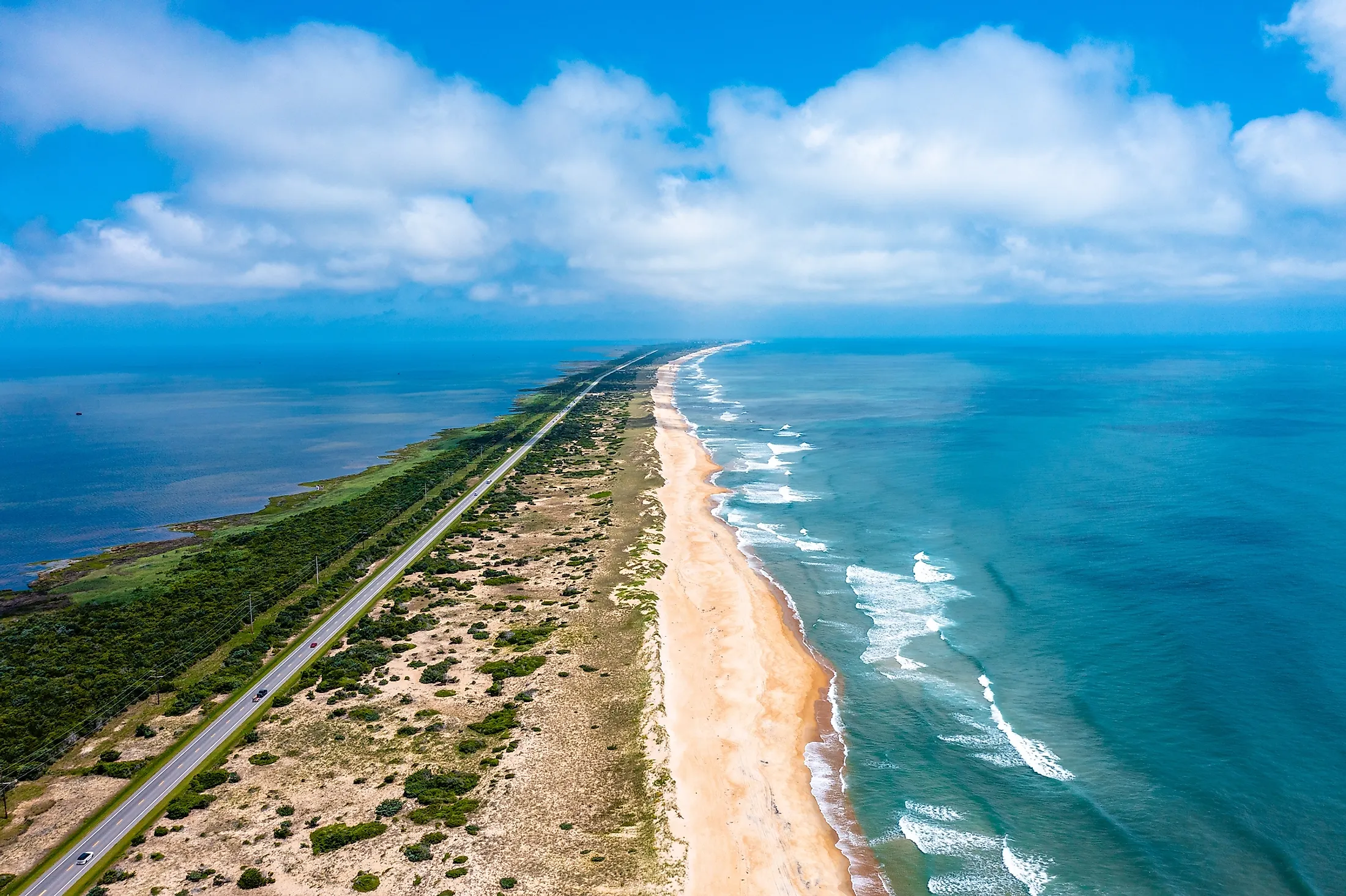
A short drive away, this is where the Croatoan tribe lived—and where some clues to the colonists’ fate have been found.
Walking these sites gives you an eerie sense of the past, and if you’re anything like me, you’ll leave with even more questions than answers.
What Do You Think Happened to the Lost Colony of Roanoke?
The story of the Lost Colony of Roanoke is one of history’s greatest mysteries. What happened to those 115 settlers? Did they find refuge with the Croatoans? Did they head inland? Or did something darker happen?
The Lost Colony of Roanoke is a reminder of how little we still know about the past, and the human desire to keep searching for answers.
While we may never know for sure, the search for answers continues, and the legacy of Virginia Dare and her fellow settlers lives on.
Virginia Dare was part of the Lost Colony of Roanoke. Do you ever wonder what may have become of her? Read more about the Legend of the White Doe.


